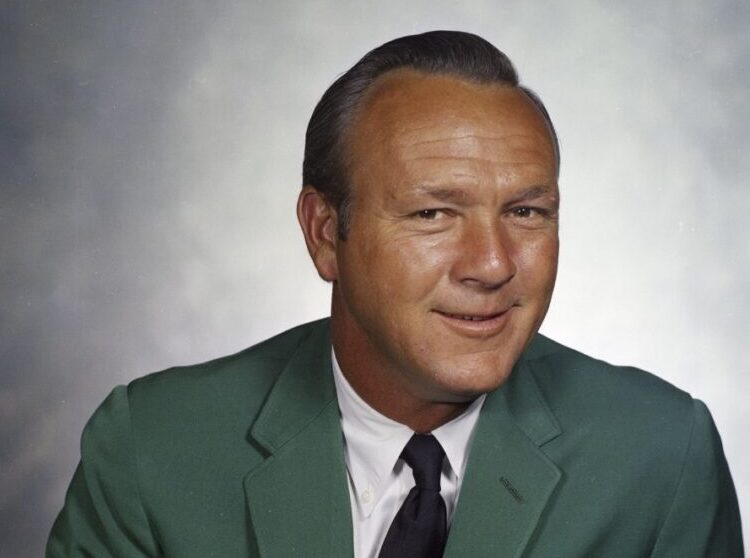
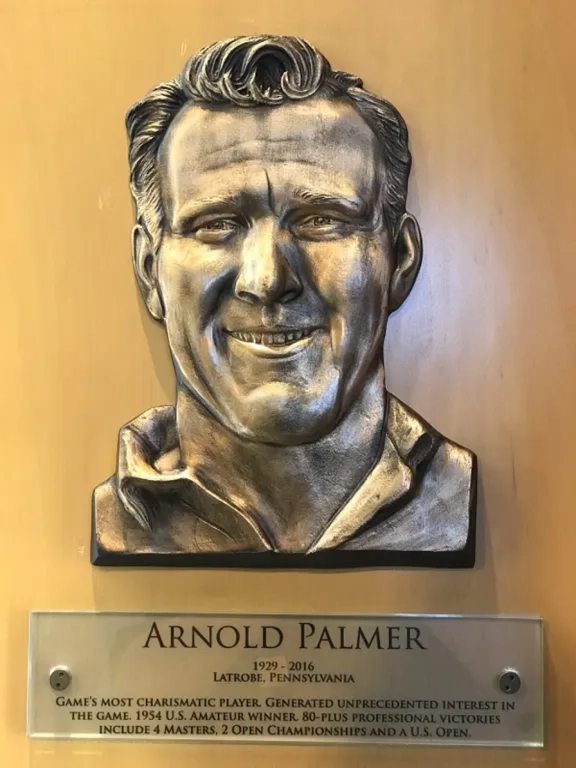
In every sport, a few individuals redefine the game itself. In golf, that figure was Arnold Palmer. Known simply as “The King,” Palmer was far more than a seven-time major champion. His charisma, fearless style, and genuine connection with fans transformed golf into a global sport, setting the standard for generations of players. Though he passed away in 2016 at the age of 87, his legacy continues to shape the game both on and off the course.
A Humble Beginning
Arnold Daniel Palmer was born on September 10, 1929, in Latrobe, Pennsylvania, a small town that would forever remain close to his heart. His father, Milfred “Deacon” Palmer, worked as the greenskeeper and professional at Latrobe Country Club, where young Arnold first learned the game.
Unlike many modern stars who emerge through elite junior academies and highly structured development programmes, Palmer’s introduction to golf was rooted in hard work and simplicity. He spent countless hours on the course, learning the fundamentals while developing the determination that would define his career.
After attending Wake Forest University on a golf scholarship, Palmer’s education was interrupted by military service following the death of a close friend. He served in the United States Coast Guard before returning to competitive golf. In 1954, he won the U.S. Amateur Championship, a victory that encouraged him to turn professional later that year.
It proved to be the beginning of one of the most remarkable careers in sporting history.
The Rise of a Champion
Palmer quickly established himself as one of golf’s most exciting players. His aggressive style, powerful swing, and willingness to attack difficult shots made him a fan favourite.
At a time when many golfers relied on conservative strategies, Palmer played with fearless confidence. Spectators never knew what might happen when he stepped onto the course, and that unpredictability became part of his appeal.
His breakthrough came in 1958 when he captured his first major title at the Masters Tournament. It was a victory that launched him into international stardom.
Over the course of his career, Palmer accumulated an extraordinary list of achievements:
- 92 professional victories worldwide
- 62 PGA Tour victories
- 7 major championships
- 4 Masters Tournament titles (1958, 1960, 1962, 1964)
- 1 U.S. Open title (1960)
- 2 Open Championship titles (1961, 1962)
- 10 PGA Tour Champions victories
- 6 Ryder Cup appearances for the United States
Among his most memorable triumphs was the 1960 U.S. Open at Cherry Hills. Trailing by seven shots entering the final round, Palmer produced one of golf’s greatest comebacks, firing a brilliant 65 to claim victory.
His success during the late 1950s and early 1960s helped define one of golf’s most celebrated eras, alongside fellow legends Jack Nicklaus and Gary Player.
The Birth of Arnie’s Army
While Palmer’s achievements on the course were remarkable, his greatest contribution to golf may have occurred beyond the ropes.
The emergence of television transformed professional sports during the 1950s and 1960s, and Palmer became the perfect star for the new medium. His dynamic personality, expressive emotions, and attacking style captivated audiences across America.
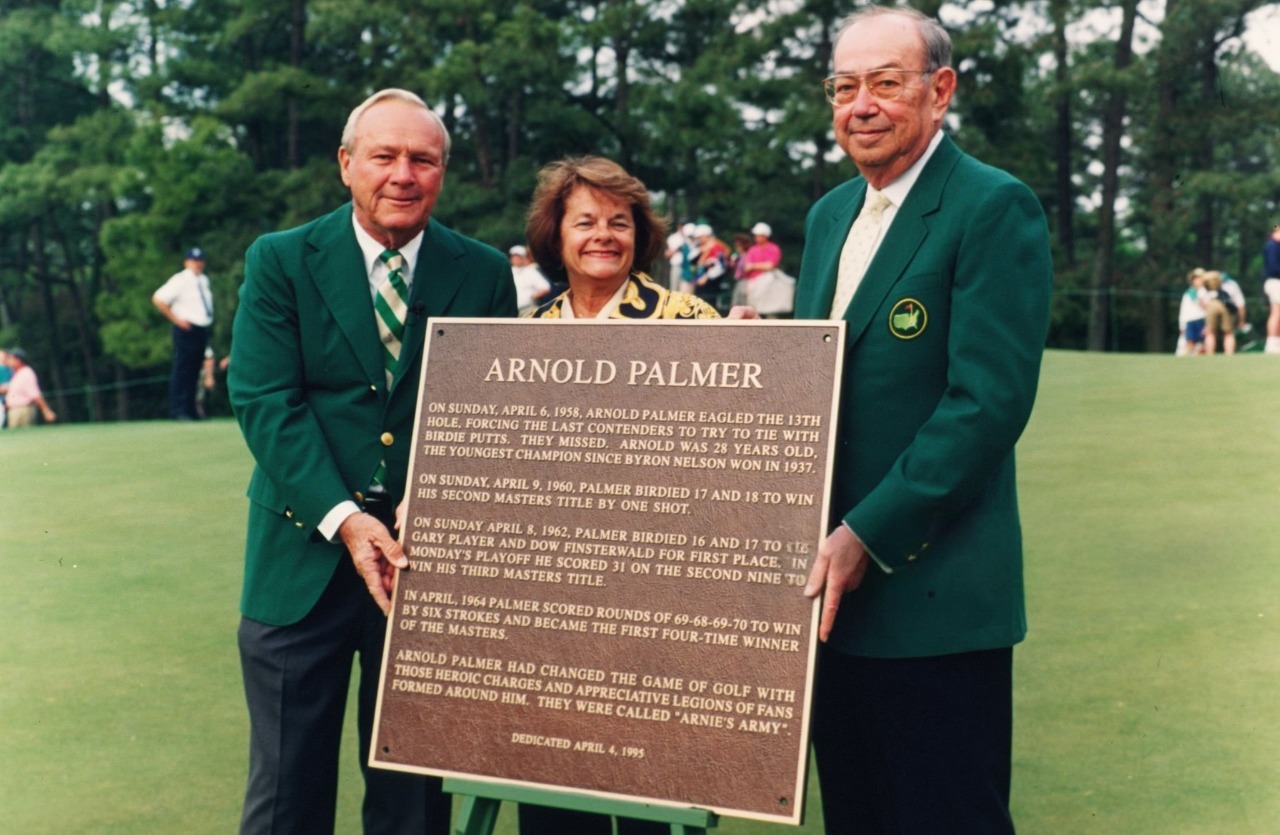
Fans flocked to tournaments in unprecedented numbers to watch him play. Their loyalty earned them a famous nickname: “Arnie’s Army.”
The phenomenon became one of the earliest examples of a modern sporting fan base. Wherever Palmer played, thousands followed. They cheered every birdie, celebrated every victory, and remained loyal even during defeat.
“Arnold Palmer did more than win championships; he transformed golf from a niche pastime into a global sporting phenomenon.”
For the first time, golf had a superstar capable of attracting mainstream audiences beyond traditional country club circles.
The commercial growth of professional golf owes much to Palmer’s popularity. Television ratings increased, sponsorship opportunities expanded, and tournament purses began to rise. The sport became more accessible and appealing to millions of people worldwide.
Building Golf Beyond Competition
Palmer’s influence extended far beyond his playing career.
Recognising golf’s growing global potential, he became deeply involved in course design and development. Over the years, he designed or contributed to more than 300 golf courses around the world, helping introduce the game to new markets and generations of players.
His business ventures were equally successful. Palmer became one of the first athletes to build a truly global personal brand, demonstrating how professional golfers could create opportunities beyond tournament earnings.
Yet despite his fame, he remained approachable and grounded. Fans admired his humility as much as his accomplishments.
His commitment to charitable causes further enhanced his reputation. Through healthcare initiatives, educational programmes, and community support projects, Palmer consistently used his platform to make a positive difference.
His contributions were recognised with two of the United States’ highest civilian honours: the Presidential Medal of Freedom in 2004 and the Congressional Gold Medal in 2009.
Why Arnold Palmer Matters
Many golfers have won more tournaments. Some have captured more major championships.
Few, however, have changed the sport itself.
Arnold Palmer arrived at a pivotal moment in golf history and helped guide the game into the television age. He inspired millions of new players, broadened golf’s appeal, and established a model for future generations of athletes.
“Before Tiger Woods, before modern golf’s commercial boom, there was Arnold Palmer—the first superstar who brought the game to the masses.”
Without Palmer’s influence, modern professional golf might look very different. The global popularity enjoyed by players such as Tiger Woods, Rory McIlroy, and Scottie Scheffler exists in part because Palmer helped create the stage on which they perform.
His legacy cannot be measured solely by trophies, statistics, or records. It is reflected in the millions who discovered golf through his example and in the countless professionals who followed the path he helped build.
Arnold Palmer was more than a champion.
He was golf’s first true superstar, its greatest ambassador, and the man who helped build the modern game.
For that reason, he will forever remain what the golfing world still calls him today—The King.