Building Next Generation Golfers
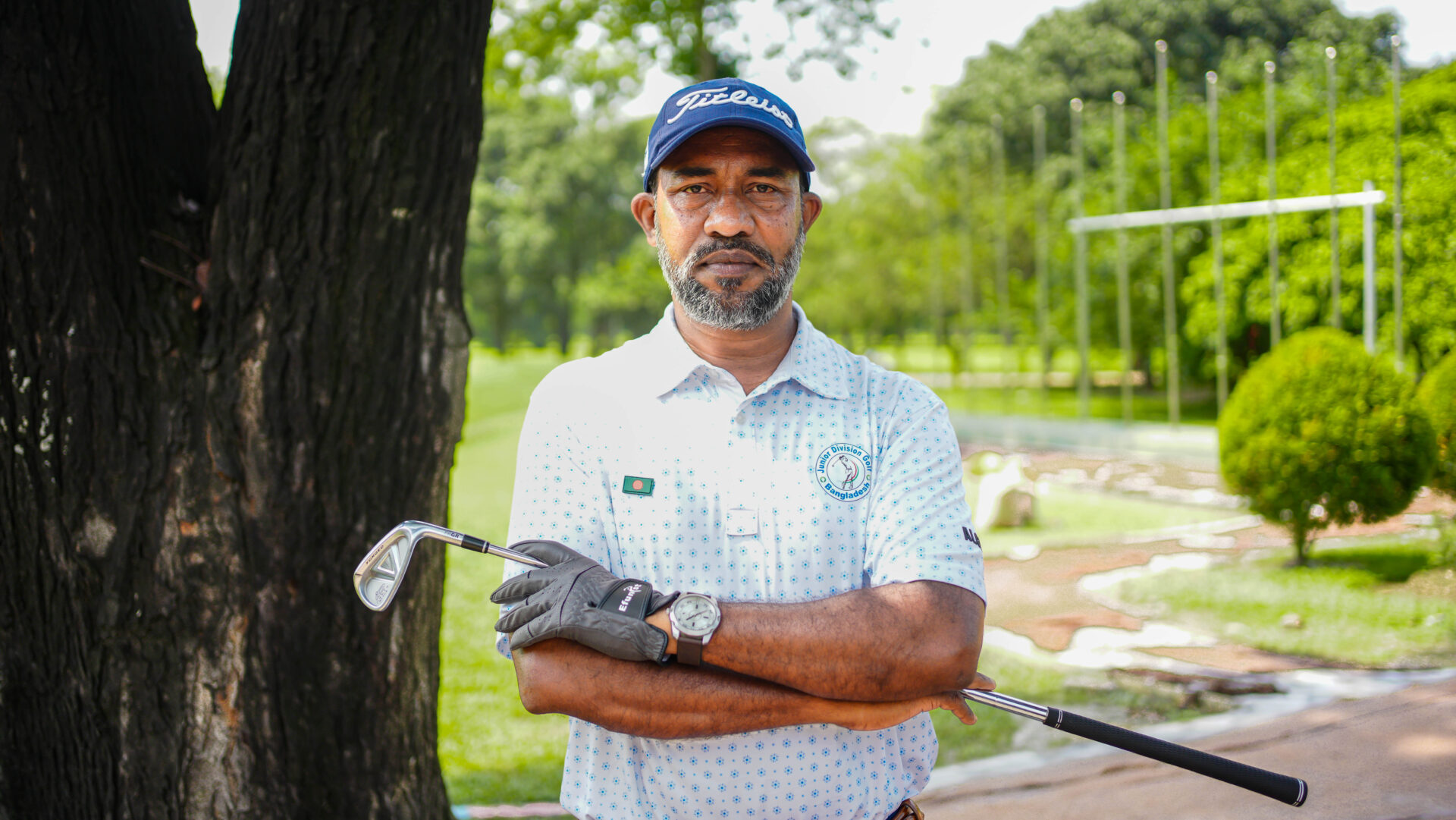
For the development of golf in Bangladesh, few individuals have dedicated themselves as consistently to player development as Mohammed Faridul Islam. A Class ‘A’ (Level 4) Certified Golf Coach and Head Coach of the Junior Division at Bangladesh Golf Federation.
With certifications from internationally respected institutions including the National Golf Academy of India, TrackMan University, The R&A, International Sports Federation, and Protouch Golf Academy, his coaching journey reflects a deliberate pursuit of global standards. Yet what distinguishes him is not only his technical expertise, but his belief that coaching extends far beyond swing mechanics. With an exclusive interview with TheGolfHouse, Mohammed Faridul Islam shares his vision for the improvement of junior golfers in Bangladesh.
 What inspired your journey to become a Class ‘A’ (Level 4) certified golf coach, and how has that journey shaped your coaching identity today?
My journey began with a deep passion for understanding not just how golfers swing the club, but why the ball behaves the way it does. Over time, formal education, international certifications, and hands-on coaching experience helped shape my identity as a coach who values structure, ethics, and long-term development. Today, I see myself not only as a swing coach, but as a player developer responsible for both performance and wellbeing.
You hold certifications from the National Golf Academy of India (NGAI), TrackMan University, The R&A, the International Sports Federation (ISF), and Protouch Golf Academy. How has exposure to these international systems influenced your coaching standards?
Each organization brings a unique perspective. NGAI provided a strong technical and developmental foundation, TrackMan sharpened my data-driven approach, The R&A strengthened my understanding of rules and integrity, ISF emphasized Safeguarding, Mental health & wellbeing, Injury prevention, Ethical coaching and Sports diplomacy. Protouch educated and developed my knowledge about Junior Golf Development & Junior sports psychology, Mentoring Champions, and Sports management in Golf. Together, they shaped my belief that modern coaching must combine technology, science, and human values.
How would you define your coaching philosophy in one sentence?
My philosophy is player-centered, technology-supported, and ethically driven—focused on building technically sound, mentally strong, and confident golfers for long-term success.
You emphasize ethical coaching, safeguarding, Injury prevention, and mental wellbeing. Why are these areas so important today?
Golfers, especially juniors, are not just athletes—they are developing individuals. Without safeguarding, mental support, Injury prevention and ethical guidance, performance becomes short-lived. A healthy player environment produces confident, resilient athletes who enjoy the game and stay in sport longer.
How does TrackMan data enhance your coaching without overwhelming players?
Data should support learning, not confuse it. I select only the most relevant parameters for each player and explain them in simple language. For juniors especially, feel and visual feedback are combined with data to ensure clarity and confidence.
Why is short game mastery so important in competitive golf?
Short games have always been very important to golfers of all levels. Short game accounts for nearly 60–65% of scoring shots. If a golfer improves the short game, the golfer will be able to reduce the numbers of Putting strokes, ultimately entire strokes of the whole game. Technical excellence around the greens builds confidence, reduces pressure on the long game, and ultimately separates good players from consistent competitors.
What are the biggest gaps you see in junior golf development systems in South Asia?
The biggest gaps are over-pressure at a young age, lack of structured LTAD models, and insufficient focus on physical safety and mental wellbeing. Junior development should prioritize fundamentals, enjoyment, and gradual progression; not early results.
How do LTAD models change the way juniors should be trained?
LTAD models remind us that children are not miniature adults. Training must align with growth stages, physical development, and psychological readiness. This approach reduces burnout, injuries, and dropouts while improving long-term performance.
How do you build confidence and mental resilience in young players?
Confidence grows from preparation, clear communication, and achievable goals. I focus on process-based improvement rather than outcomes, teach emotional control, and create a safe environment where mistakes are part of learning.
Golf is often called a mental game. How do you integrate mental health awareness into coaching?
Mental health begins with open conversation. I educate players about stress, pressure, and recovery, and I ensure training environments are supportive rather than fear-based. A mentally healthy golfer learns faster and performs better.
Why is injury prevention especially important in junior golf?
Improper technique, excessive repetition, and early specialization can lead to long-term injuries. Injury prevention protects not only a player’s body but also their confidence and love for the game.
How important is Rules of Golf education for developing players?
Rules education builds discipline, honesty, and respect for the game. Players who understand the rules play with confidence and integrity—values that define golf worldwide.
What is your long-term vision for junior golf development in Bangladesh?
My vision is to establish structured, internationally aligned junior programs that combine technical excellence, education, ethics, and wellbeing—producing golfers who can compete globally while representing the game with integrity.
How do you see technology shaping the future of golf coaching?
Technology will continue to enhance precision and personalization. However, the best coaches will be those who know how to balance data with human connection, communication, and coaching intuition.
What advice would you give to young coaches aspiring to international standards?
Never stop learning. Invest in education, understand player psychology, respect ethics, and stay humble. Certifications matter, but your ability to positively impact lives matters more.
How do you personally define success as a coach?
Success is seeing players grow technically, mentally, and personally while maintaining their love for the game. Trophies fade, but values and development last a lifetime.
How would you like your contribution to golf to be remembered?
As a coach who helped develop confident, ethical, and well-rounded golfers—while contributing to a healthier and more professional coaching culture.
Throughout your journey, have there been mentors or golf gurus who played a significant role in shaping you as a coach?
Absolutely. I firmly believe that no coach develops in isolation. I am deeply grateful to my respected golf gurus and mentors, specifically to my respected golf guru and mentor Mr Indrajit Bhalotia who has given me golf education from his heart and guided me with patience, discipline, and wisdom throughout my journey. Their teachings went far beyond technique, they instilled in me the values of integrity, lifelong learning, humility, and respect for the game. Whatever I am today as a coach is a reflection of their guidance, and I carry their lessons forward with every player I work with.
What advice would you like to give to young golfers who dream of reaching the highest level of the game?
My advice is simple: fall in love with the process, not just the results. Focus on fundamentals, stay disciplined, respect your coaches and the game, and take care of your physical and mental health. Progress takes time—be patient, stay curious, and never compromise your values. If you commit to continuous improvement with honesty and passion, success will follow naturally.
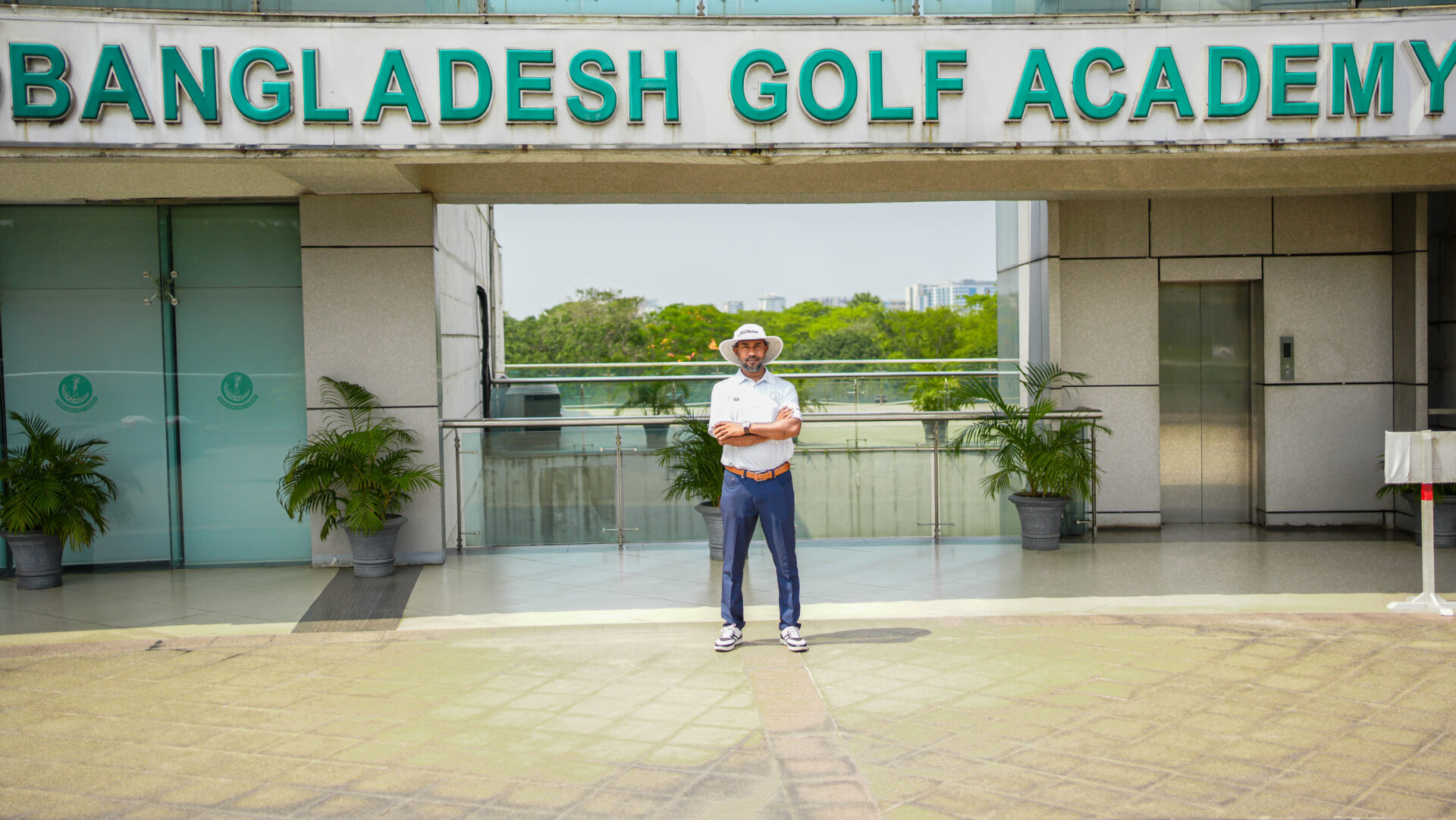
Being in a role of Head Coach, Junior Division, Bangladesh Golf Federation, I would like to express my sincere gratitude, respect and deep appreciation to the respected authorities of the Bangladesh Golf Federation, Kurmitola Golf Club, and Army Golf Club. Through their highest level of effort and sincere dedication, they have consistently played a vigilant and committed role in enhancing the standards of national and professional golf in Bangladesh, particularly through the development of junior golf.
I also would like to thank the Ministry of Youth and Sports of Bangladesh and Bangladesh Olympic Association for starting contributions to golf development in Bangladesh. I specifically express my sincere gratitude, respect and deep appreciation to the respected Chief of Army Staff and Lt Gen Khan Firoz Ahmed sir, President Army Golf Club for taking the strong initiative with Junior Division Golf Development in Bangladesh for Long Term Athletic Development in golf.