In Bangladesh, golf remains a sport caught between perception and possibility. For many, it is still viewed as an exclusive pastime, more closely associated with corporate networking than serious athletic development. That perception, however, tells only part of the story.
Over the years, some of Bangladesh’s most meaningful golf development efforts have focused on children from underprivileged backgrounds, using the sport as a vehicle for discipline, education, confidence and life transformation. For many young players, golf has provided far more than recreation. It has created structure, mentorship, social exposure and a pathway to a better future. That contribution deserves recognition and respect.
“Golf has given many underprivileged children in Bangladesh discipline, dignity and direction. To create future champions, the sport now needs broader participation, stronger structure and a more ambitious national vision.”
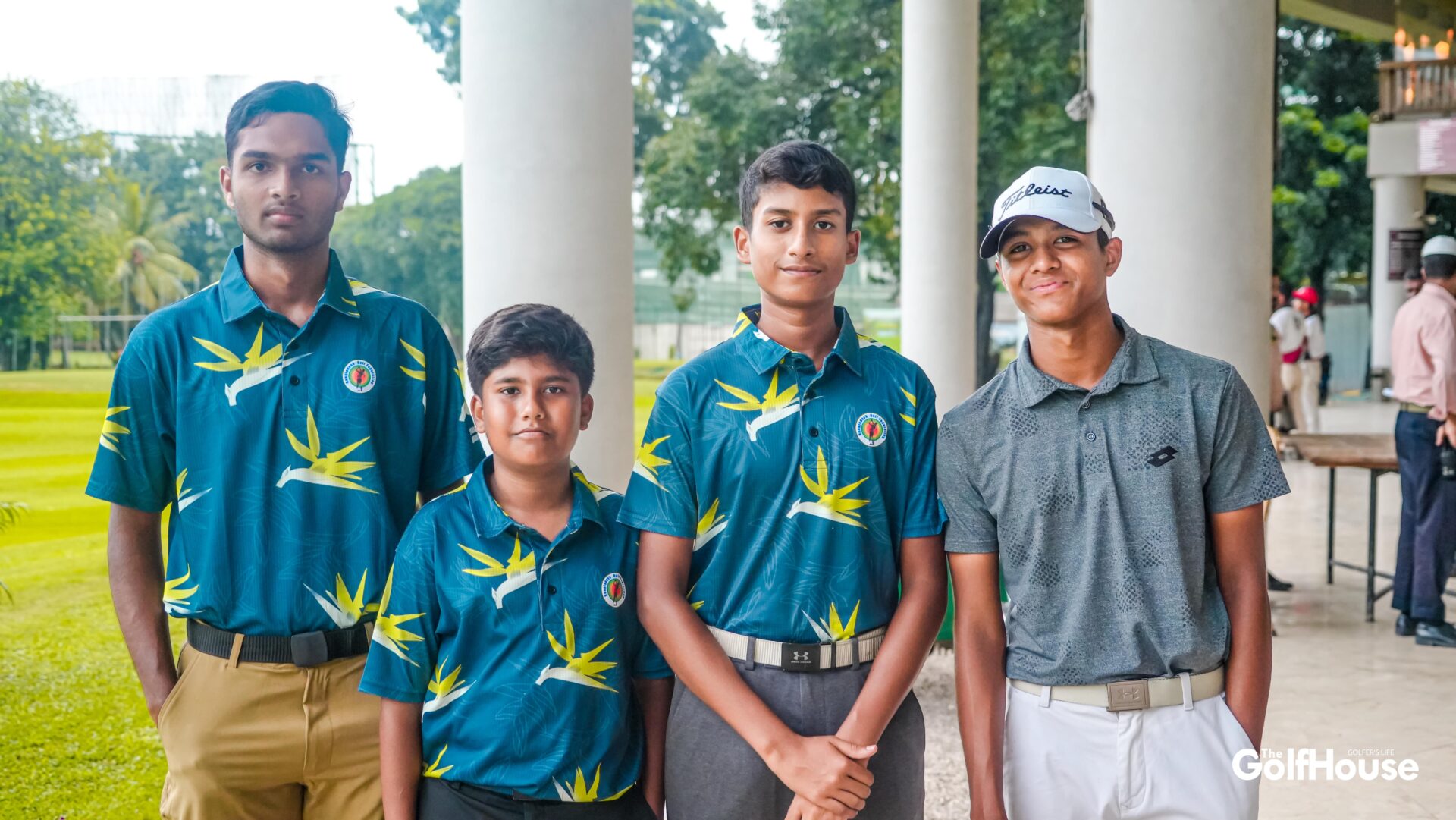
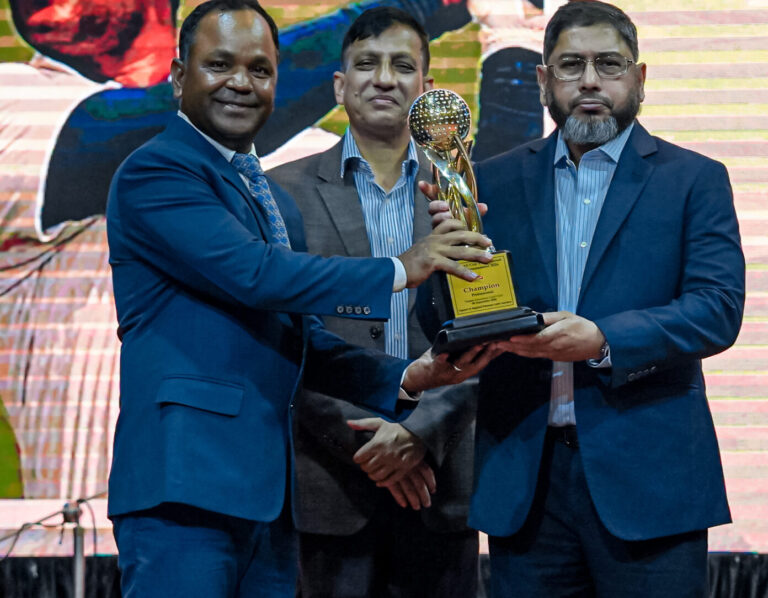
The future of Bangladesh golf stands right here.
But if Bangladesh genuinely aspires to become a competitive golfing nation, an important question must be asked: are we developing the game broadly enough?
Across Asia, successful golfing nations have followed a more strategic and inclusive path. India, Thailand and Malaysia have all invested in junior golf through structured development systems that engage children from different socioeconomic backgrounds, particularly families able to sustain long-term competitive training.
The results are evident. India now hosts major international tournaments, attracts significant sponsorship and continues to produce players competing on global tours. Thailand has established itself as one of Asia’s strongest golf development nations. Malaysia has built a sustainable ecosystem through academies, junior circuits and institutional support.
Their progress did not happen by accident. It came through planning, investment and continuity.
“Encouraging privileged children into golf is not about exclusion. It is about creating the scale needed for the sport to grow.”
Bangladesh, by contrast, still lacks a comprehensive long-term competitive youth development strategy. Golf is often approached either as a social development tool or as a recreational pursuit for adults. What remains missing is a serious national framework for identifying, nurturing and sustaining young competitive talent.
Golf offers far more than sporting opportunity. It teaches punctuality, discipline, integrity, patience, concentration, humility and respect for rules. These are values every parent seeks to instill in a child.
Yet competitive golf requires more than character-building. It demands sustained investment. Coaching, equipment, tournament participation, travel, nutrition, exposure and international competition all come at a cost. Families with greater financial capacity are naturally better positioned to support this journey.
“If cricket can inspire a generation, there is no reason golf cannot build one.”
Encouraging more children from affluent and middle-class families to take up competitive golf should not be misunderstood as exclusionary. A stronger and wider player base would elevate the entire ecosystem. More young participants would create stronger junior tournaments, improve coaching standards, attract commercial sponsorship and generate broader competitive benchmarks. That growth would ultimately benefit talented children from every background.
Inclusion and competitiveness are not opposing ideas. They must work together.
Bangladesh has previously benefited from visionary leadership in golf development. Retired Brigadier General Selim Akter deserves recognition for his contribution, particularly in junior and competitive golf. His efforts to secure international support, including junior development funding from The R&A, demonstrated what focused leadership can achieve. Such long-term thinking must now be revived and expanded institutionally.
“Learning the game of golf is really like learning the game of life.”
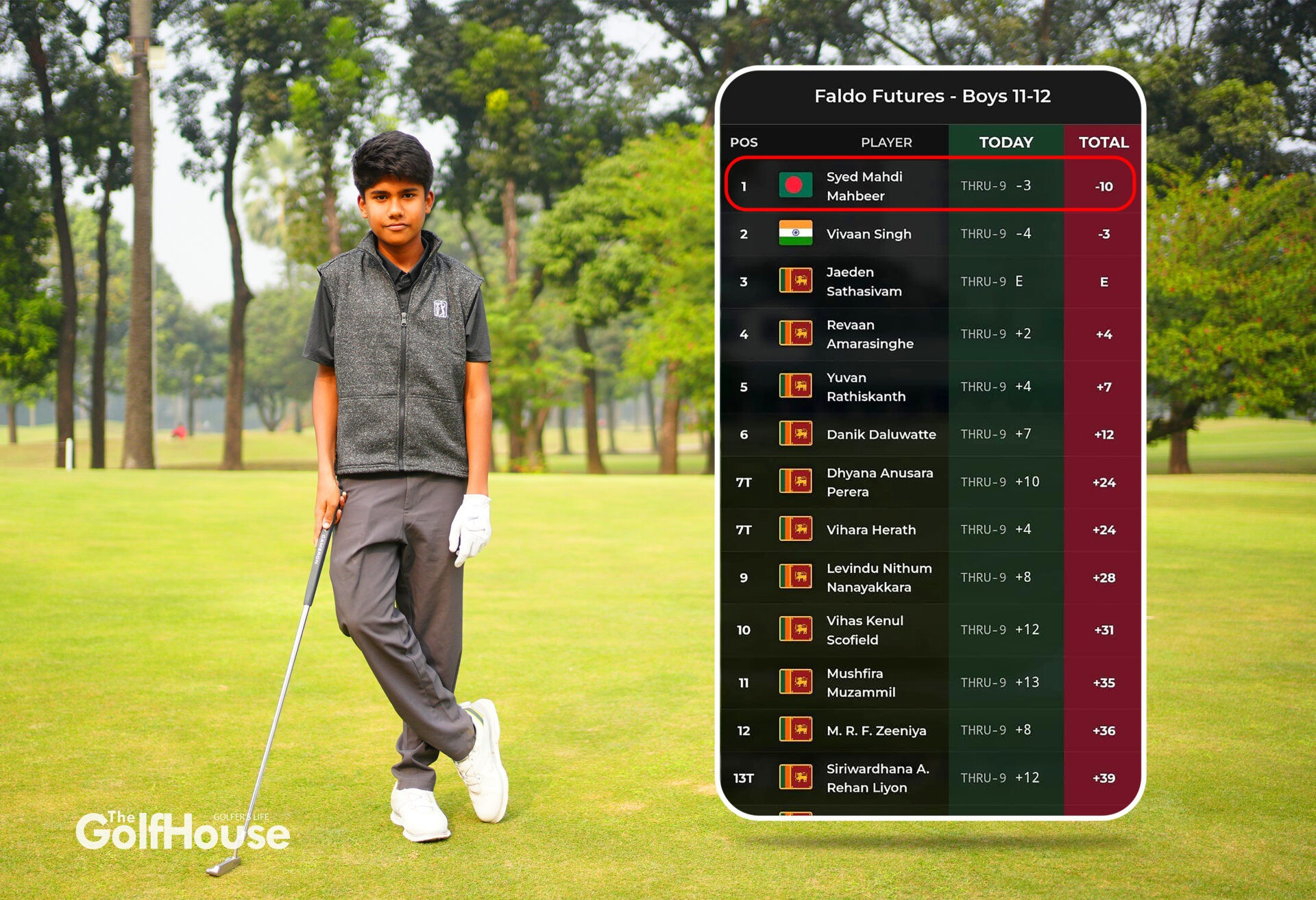
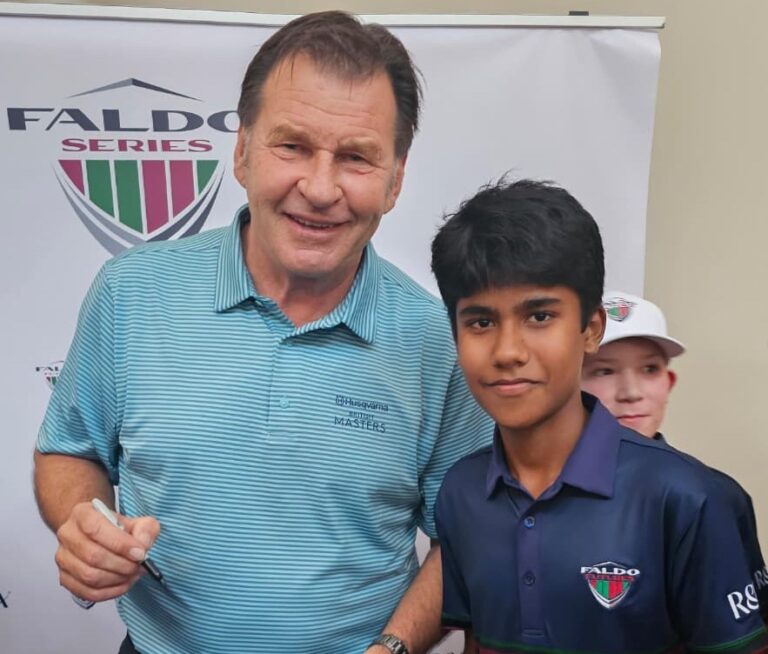
Bangladesh has a new young star on the rise; the future of Bangladesh golf looks bright.
The Bangladesh Golf Federation has a central role to play. A structured junior roadmap is urgently needed. This should include year-round junior tournaments, transparent ranking systems, inter-school and inter-college competitions, scholarship pathways, talent identification programmes and regular international exposure.
Selection policies must remain balanced and merit-based, ensuring opportunity for both privileged and underprivileged talent pools. Equity matters, but so does competitive readiness.
Institutions such as BKSP should also consider formally including golf among their recognised sporting disciplines. If Bangladesh is serious about producing elite athletes, golf must be treated as a legitimate competitive sport, not an occasional leisure pursuit.
The long-term ambition should be even greater. Bangladesh should begin exploring the establishment of a recognised qualifying school structure in the future, helping local players access professional pathways with greater credibility and consistency.
“India and Thailand did not become golfing success stories by accident; they made youth development a national priority.”
Corporate Bangladesh must also become a more active stakeholder. Sponsors should move beyond event branding and consider building structured junior teams, each supporting several young players over multiple seasons. This model has transformed other sports and can do the same for golf.
Media coverage is equally important. Young golfers need visibility, storytelling and recognition. Competitive sport grows when emerging talent is consistently seen, celebrated and supported.
Parents, too, must rethink their assumptions. In many households, golf remains misunderstood as an adult social game rather than a serious sporting pathway. Families that willingly invest in academic coaching, cricket training or overseas education should also recognise golf’s value as a platform for scholarships, leadership development and global opportunity.
At the same time, honesty, integrity and transparency must remain non-negotiable within the sport’s administration. No development model can succeed without trust.
“Golf teaches discipline, integrity and resilience—but without investment and opportunity, talent rarely reaches the world stage.”
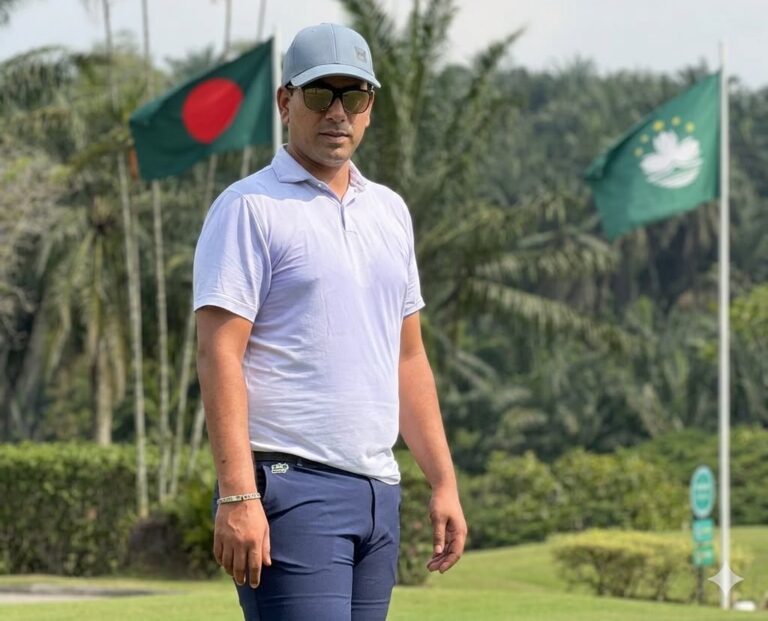
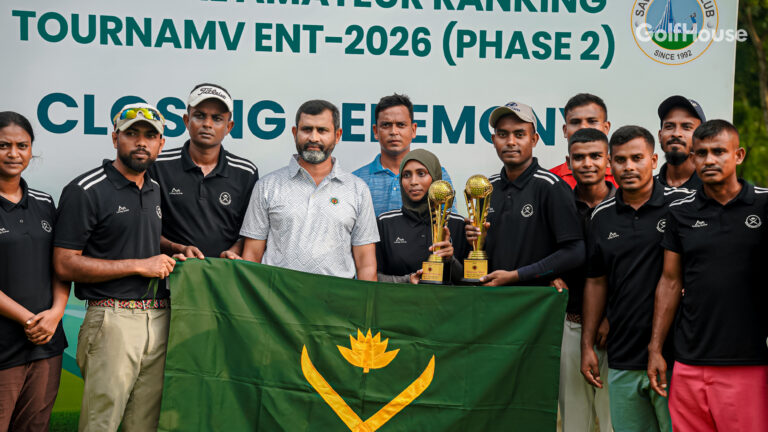
Talent was always there. Sometimes journeys pause, but true potential never disappears.
Bangladesh is not short of talent. What it lacks is structure, scale and sustained ambition.
If cricket can inspire a generation, there is no reason golf cannot build one.
The fairways should remain open to every child, regardless of background. But if Bangladesh truly wants to produce champions capable of competing on the Asian Tour, DP World Tour or even the PGA Tour, the national vision must become broader, stronger and more strategic.
Golf changes lives. With the institutional commitment and long-term vision, it could also reshape Bangladesh’s sporting future.
The writer is a golfer and the Editor of TheGolfHouse magazine — Bangladesh’s only monthly golf magazine, established in 2015. He has been actively involved in promoting the sport and continues to work passionately towards making golf more accessible and inclusive for people across the country.