-By Nazrul Hosen Ayon
Golf in Bangladesh stands at an important crossroads. The country has witnessed significant progress over the past decade, with better golf courses, improved facilities, a growing tournament calendar, and increasing corporate interest. Yet despite these achievements, one of the greatest opportunities for expanding the game remains largely untapped: encouraging more women to become golfers and club members. This is not simply a question of gender inclusion. It is a question of the long-term sustainability of golf.
Across the world, successful golf clubs are no longer viewed merely as sporting venues. They have evolved into family-oriented communities where recreation, wellness, networking, and social interaction come together. Clubs that have embraced women and families as a central part of their membership strategy have experienced stronger participation, healthier membership retention, and a more sustainable future. Bangladesh has every reason to follow the same path.
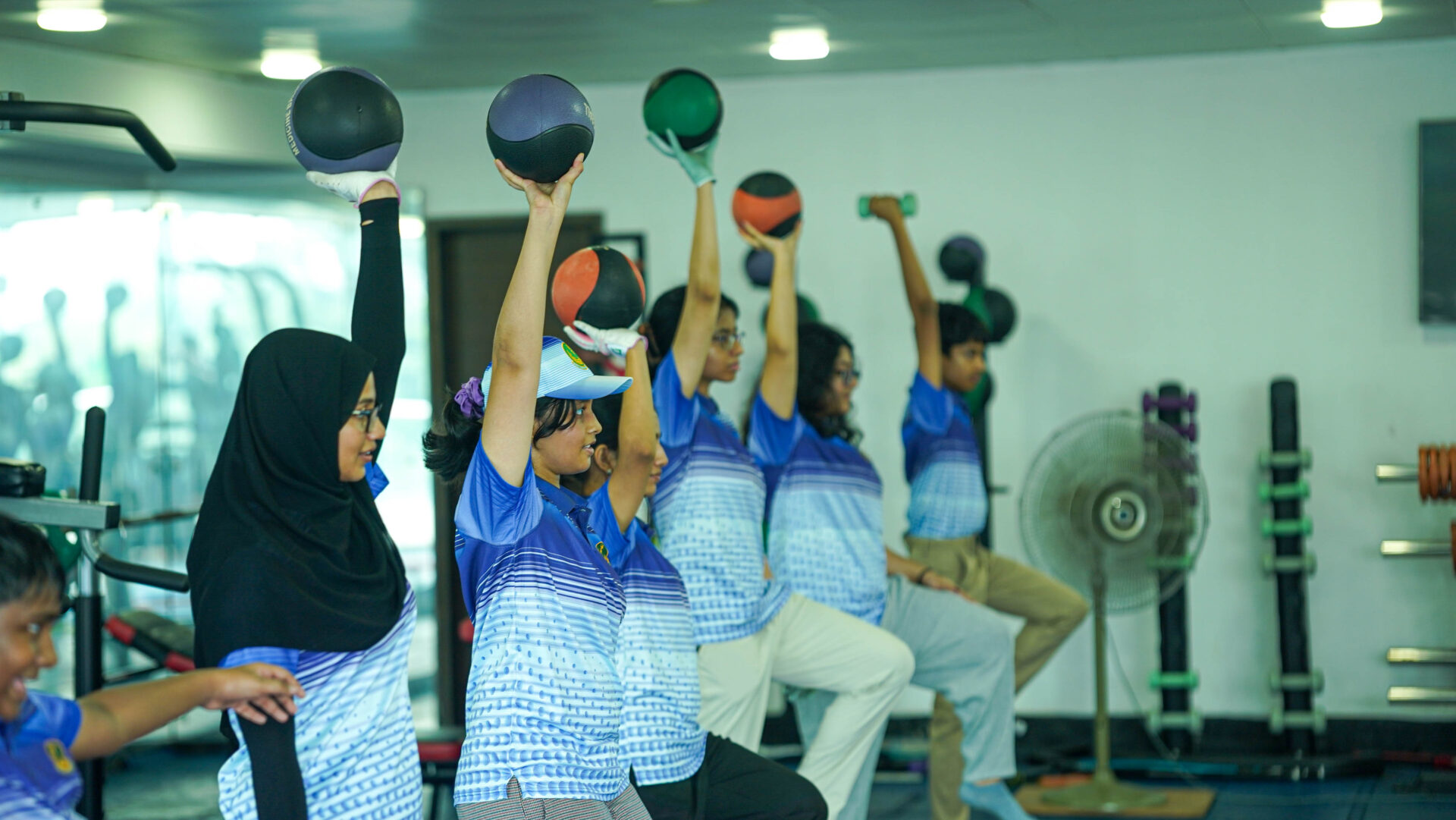
When a woman joins a golf club, she often brings an entire family into the game. One membership today can create the next generation of golfers tomorrow.
Many golf clubs still operate under membership structures designed decades ago. While these traditional models have served the game well, today’s realities call for a fresh perspective. If golf is to reach more people and build a broader base of participants, clubs should seriously consider introducing substantially reduced membership fees for women—perhaps 50 per cent of the standard rate or even lower for selected categories. Such a policy should not be viewed as offering a discount. It should be regarded as a long-term investment.
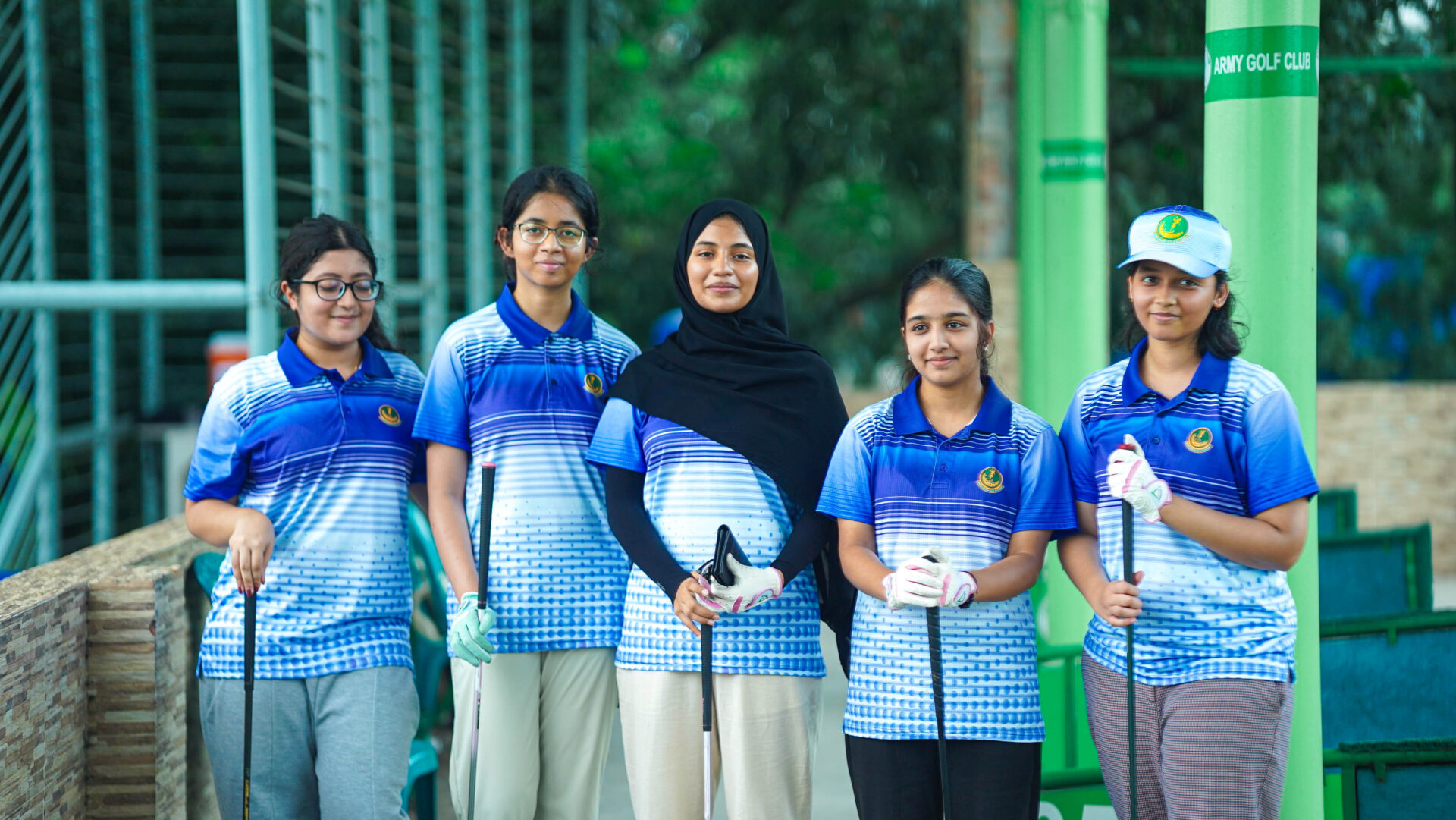
The reason is simple. When a woman joins a golf club, she rarely joins alone. In most families, women play a leading role in shaping recreational activities and lifestyle choices. Their participation often encourages children to enrol in junior golf programmes, motivates husbands to spend more time at the club, and inspires the entire family to embrace golf as a shared activity rather than an individual pastime. One female membership can therefore create two, three, or even four active golfers within the same family.
That multiplier effect has the potential to transform golf in Bangladesh. More women golfers would naturally mean more girls taking up the game from an early age. Junior academies would become stronger, creating a larger talent pool for the future. Parents would be more willing to spend weekends at golf clubs when every member of the family has an opportunity to participate. Clubhouses would become livelier throughout the week rather than being active only during tournaments or weekend competitions.
Investing in women’s golf is not a discount—it’s one of the smartest long-term investments a golf club can make
Restaurants, cafés, swimming pools, fitness centres, children’s play areas, coaching programmes, and social events would all benefit from increased family participation. The club would become more than a golf course—it would become a vibrant community. Perhaps even more importantly, greater family involvement could significantly improve membership retention.
One of the challenges many golf clubs face is that members gradually stop playing after the initial excitement fades. Busy professional lives, changing priorities, or a lack of family engagement often lead golfers to reduce their visits or eventually discontinue their memberships.
However, when golf becomes a family activity, the equation changes. A golfer whose spouse and children also enjoy the club is far more likely to continue visiting regularly. Weekend golf becomes family time rather than personal leisure. Instead of choosing between family responsibilities and golf, members can enjoy both together. As a result, membership dropout rates are likely to decline, creating more stable revenue and stronger club communities.
The long-term business benefits are equally significant. Lower membership fees for women may initially appear to reduce short-term income. In reality, they have the potential to generate far greater value over time through increased family memberships, greater spending on food and beverage services, coaching, junior programmes, golf equipment, social events, and other club activities.
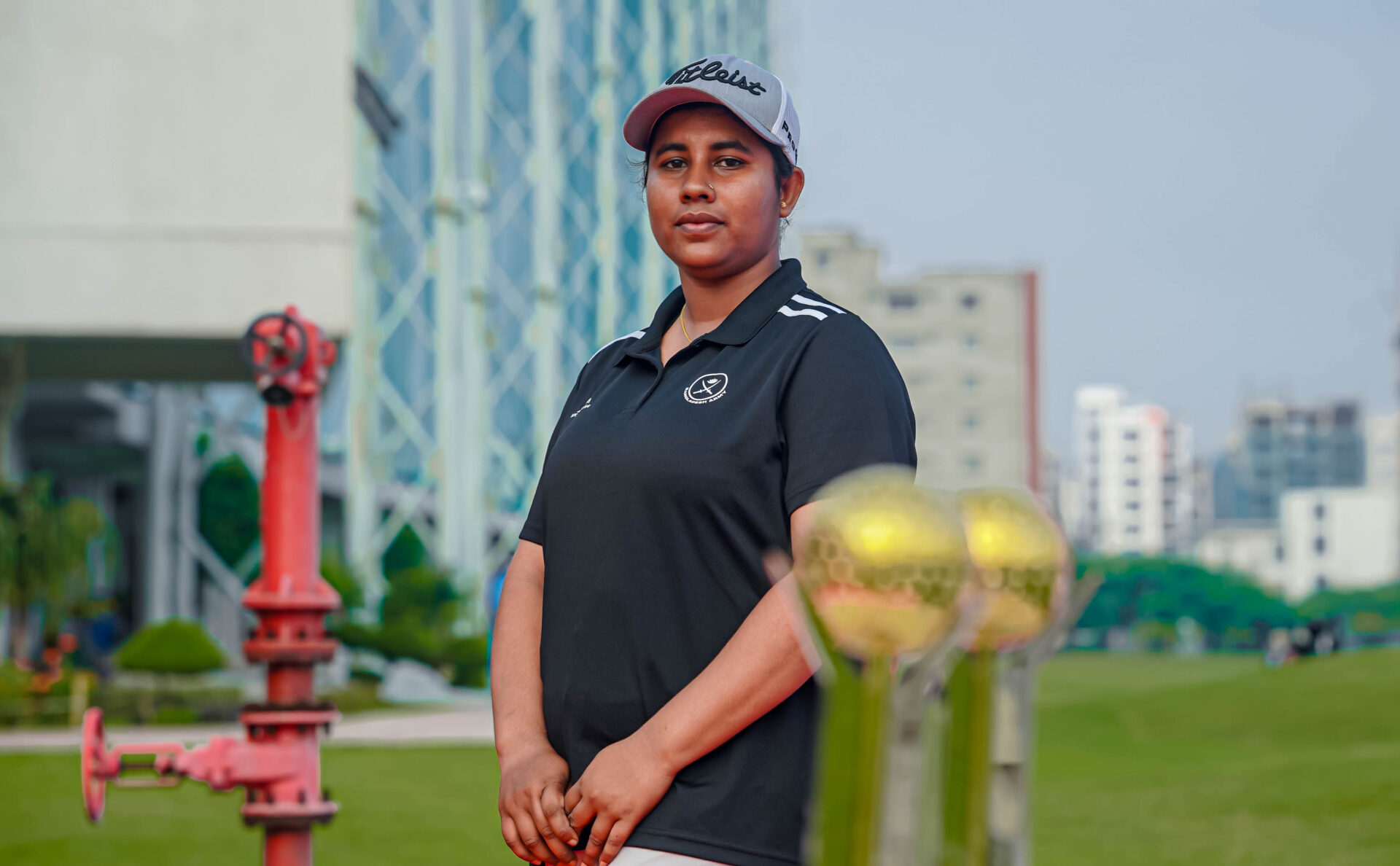
Viewed from this perspective, investing in women is not a cost—it is one of the smartest investments a golf club can make.
Around the world, women’s golf is one of the fastest-growing segments of the sport. National federations, golf clubs, and governing bodies have invested heavily in beginner programmes, family events, women’s leagues, and junior development because they recognise a simple truth: the future of golf depends on welcoming more people into the game. Bangladesh should embrace the same vision.
Family participation is the strongest defence against declining memberships and the foundation of sustainable golf clubs.
Imagine a golf club where mothers attend beginner clinics while their children participate in junior coaching. Fathers play in weekend competitions before families gather for lunch at the clubhouse. Young girls dream of becoming national champions while grandparents enjoy the social atmosphere that golf uniquely provides. Such a club would not only produce better golfers—it would strengthen families and create lifelong connections with the sport.
Naturally, any revised membership policy must remain financially sustainable. Each club has its own operating costs, market conditions, and long-term objectives. Membership pricing should therefore be carefu
lly evaluated to ensure that incentives deliver lasting value. Yet the broader principle remains compelling.
The future of golf in Bangladesh will not be determined solely by better golf courses, prestigious tournaments, or international-standard facilities. It will be determined by how successfully the sport welcomes new players, new families, and new generations.
If more Bangladeshi women and girls embrace golf, more husbands will continue playing, more children will grow up with the game, stronger junior golfers will emerge, and golf clubs will become healthier and more sustainable institutions. That is how golfing nations are built—not through infrastructure alone, but through people.
Investing in women is therefore far more than an initiative to increase membership. It is an investment in stronger families, stronger golf clubs, and a stronger future for Bangladesh. And in the decades ahead, it may well prove to be one of the most important decisions the country’s golf community ever makes.
The writer is a Golfer and Editor of TheGolfHouse magazine–the only monthly golf magazine in Bangladesh that has been involved in promoting golf in the country and working to make it accessible to all since 2015.