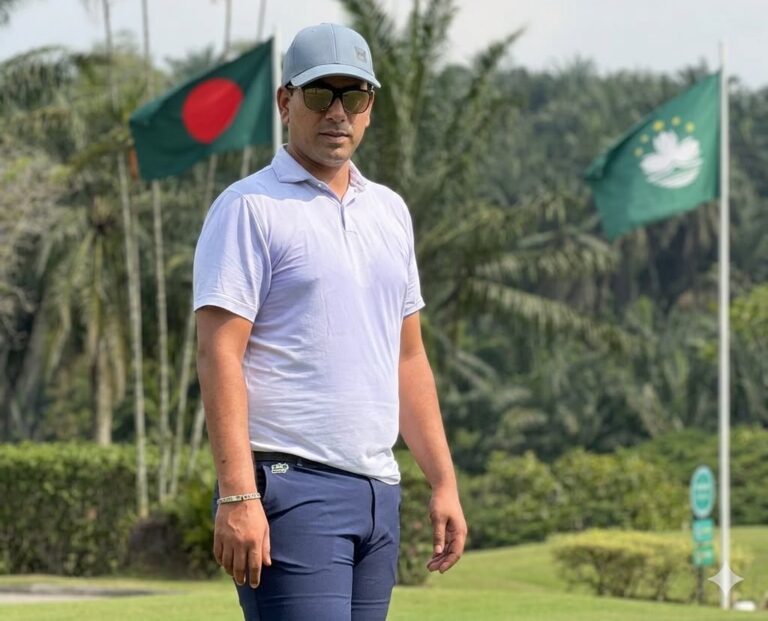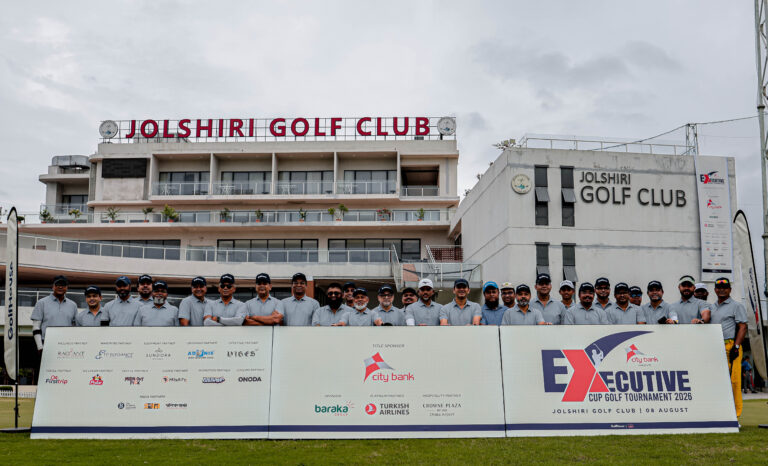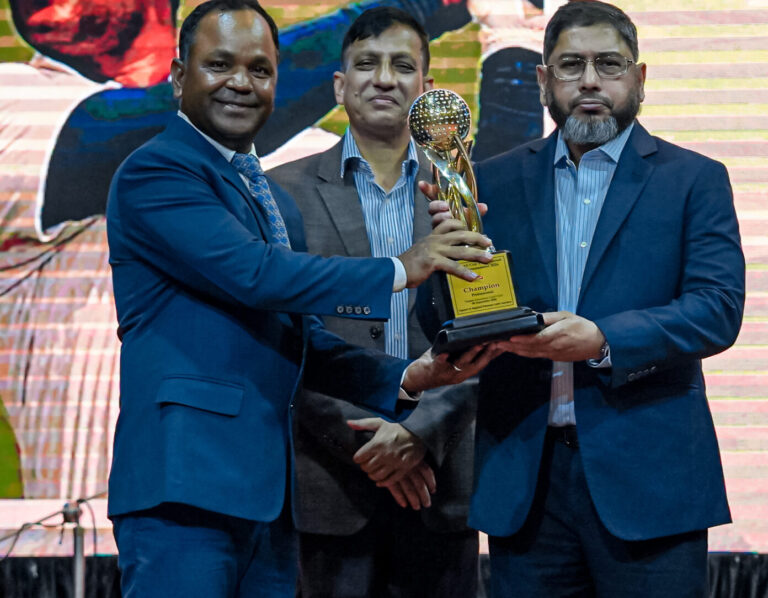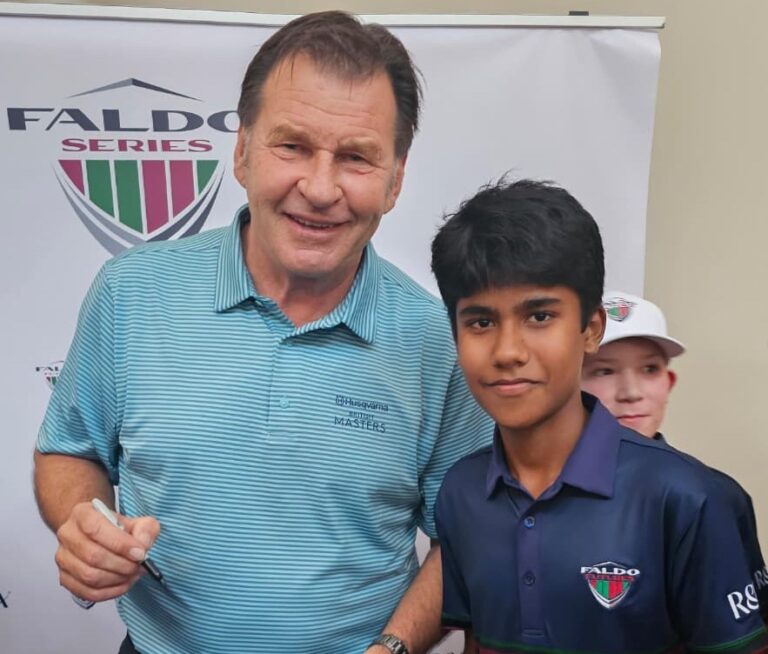
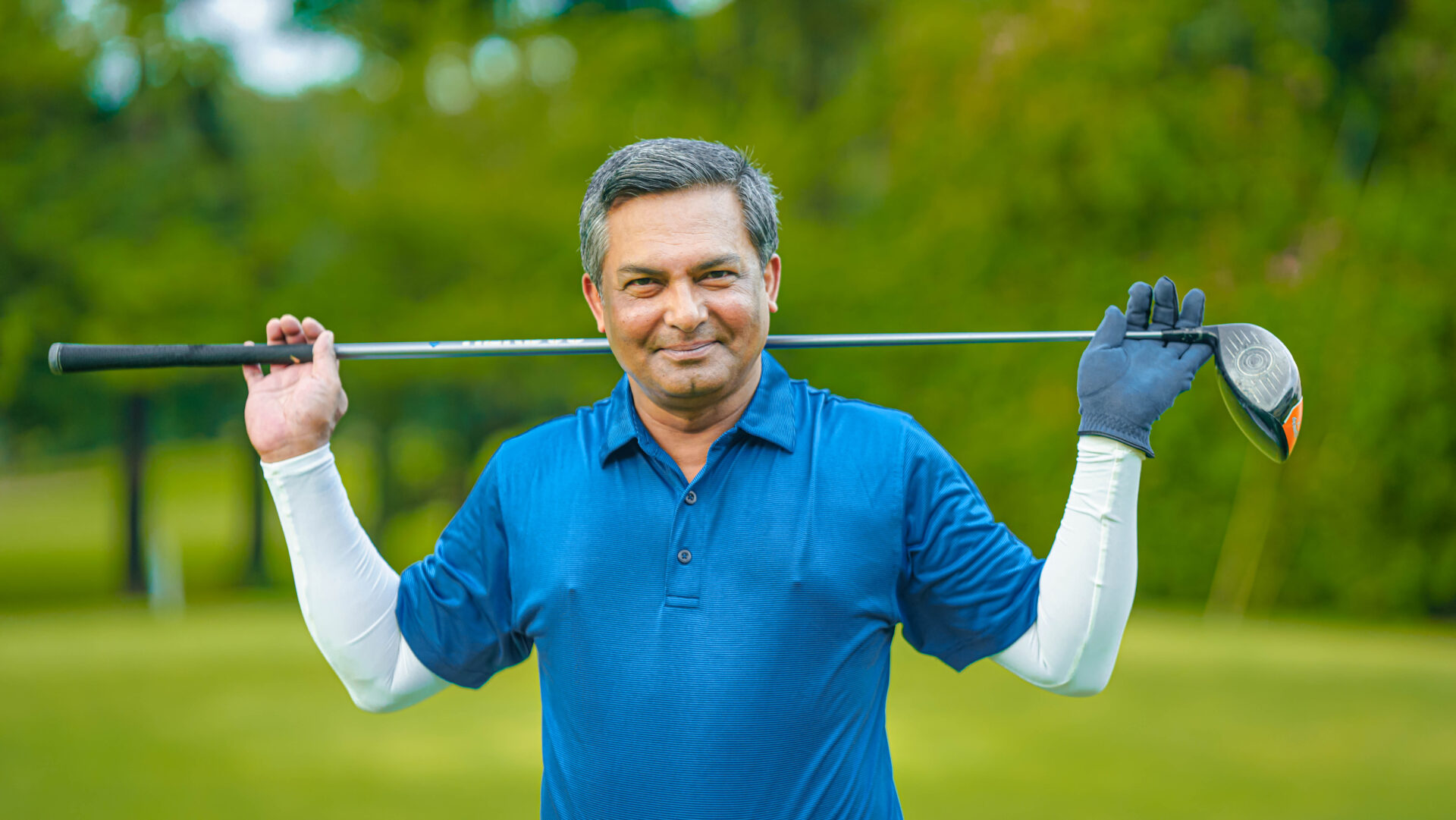
Enamul Huq, Senior Administrative Officer and Head of Administration at The World Bank, reflects on a golfing journey that began in 2022 and has since evolved into a meaningful part of his personal and professional life. From building discipline and calm decision-making to creating authentic connections beyond the boardroom, he shares how golf continues to influence his approach to leadership. Drawing from his experience across Bangladesh’s growing golf landscape, he also offers a grounded perspective on why the game is gaining momentum within the corporate community and how it is shaping a new culture of engagement, trust, and collaboration.
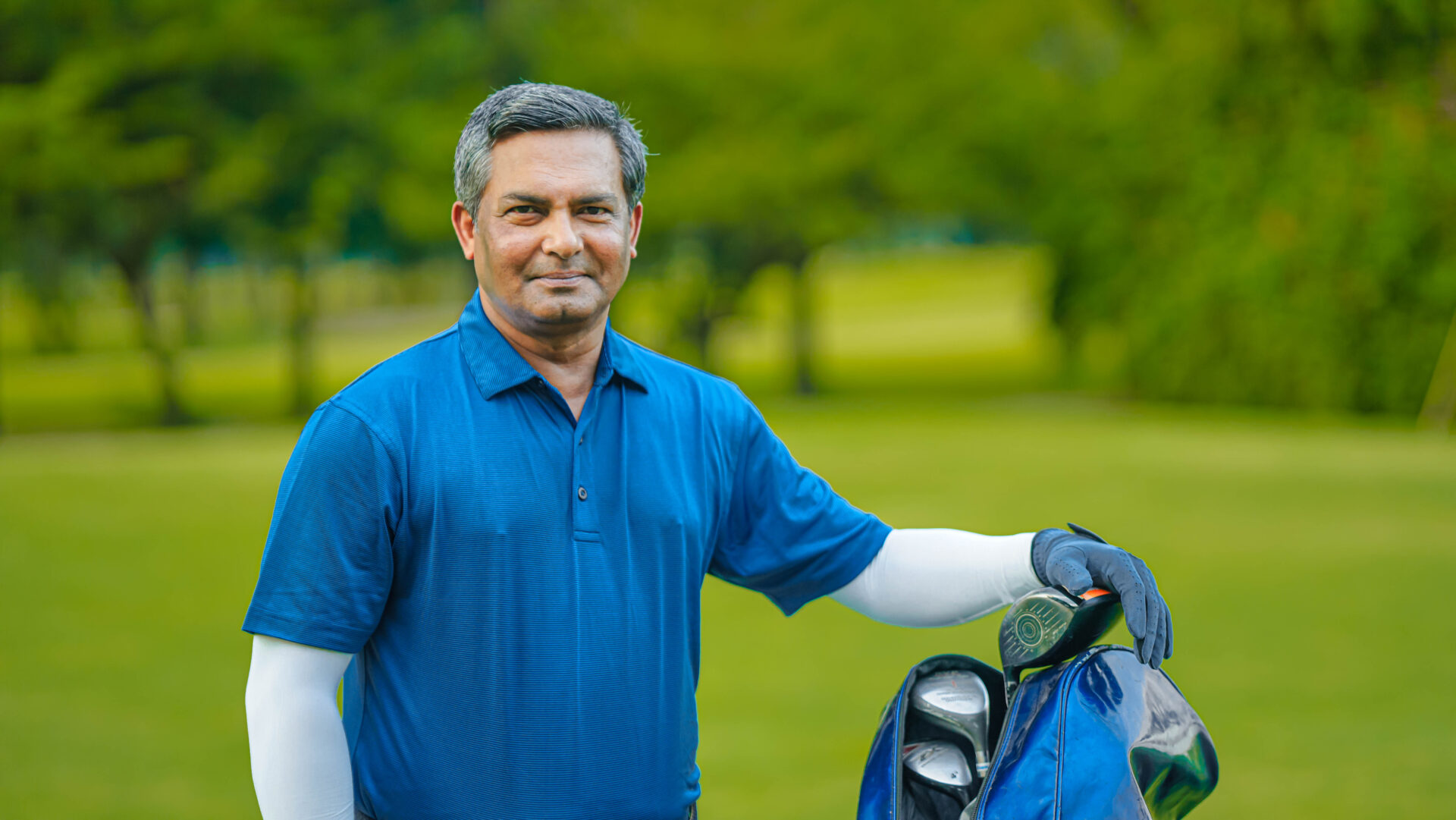
When did you first start playing golf, and what attracted you to the sport?
I started playing golf in early 2022, and it quickly became one of the most rewarding chapters of my life. To build a solid foundation, I completed the Golf Foundation Course at the Bangladesh Golf Academy in Dhaka (3 January–22 March 2023). Beyond technique, the course introduced me to the values that make golf unique—discipline, patience, focus, and a certain quiet elegance.
As my interest grew, I joined Shaheen Golf and Country Club (SGCC), Patenga, Chattogram, and then the Jashore Golf and Country Club in March 2023. In 2025, I was honored to become a member of the Air Force Golf Link (AFGL)—an opportunity that expanded my exposure to different courses and playing conditions.
My curiosity about golf started even earlier. I grew up loving sports—football, cricket, hockey, tennis, badminton, and more and that mindset carried into my career. While working at the British High Commission, I would see UK based colleagues heading out for golf while I stayed focused on tennis and cricket. Meanwhile, friends from the defense community (my coursemates) often shared moments from the greens in our WhatsApp groups. What appealed to me wasn’t only the competition; it was the calm, the camaraderie, and the balance the game seemed to create.
Over time, that curiosity became a genuine passion. Golf is more than a scorecard, it is friendship, reflection, and steady self-improvement. And that is exactly why it continues to matter to me, on and off the course.
Who introduced you to golf, and how did your early learning phase shape your interest?
My first nudge came from my former colleague Shahriar at the British High Commission. We planned to begin together, even arranging to use a set of clubs left behind by a departing UK colleague. Although Shahriar could not continue, the idea stayed with me. Not long after, Mahmud, General Manager of the British High Commission Club, and I went to the Army Golf Club driving range. Under Golf Pro Habib, I hit my first serious practice balls—and I was hooked by the rhythm and precision of the game.
A second turning point came when my close friend Rokonuzzaman—with whom I began my Chartered Accountancy journey—told me that many in our CA fraternity were also taking up golf. That mix of encouragement and timing gave me the final push to step onto the course.
From that moment, a new chapter began. Golf has since become much more than a sport for me; it is a source of balance, friendship, reflection, and continuous learning—both on and off the course.
What keeps you motivated to continue playing despite a busy corporate career?
Golf keeps me motivated because it is a personal test every time you play. You are constantly adjusting—reading the lie, choosing the shot, and trying to execute with discipline and precision. That desire to improve, one round at a time, keeps the game mentally engaging.
Golf has also taught me the value of calmness and composure, especially when facing difficult circumstances on the course. These qualities naturally extend beyond the game and positively influence both my professional and personal life, helping me stay balanced and thoughtful during demanding situations at work and within my family.
By managing time wisely—playing early in the morning or on weekends—golf does not conflict with my corporate or family commitments. Instead, it supports a healthy work–life balance, providing mental clarity, physical activity, and renewed energy that ultimately enhances my effectiveness both at work and at home.
How does golf complement your professional life at the World Bank?
Golf complements my professional life at the World Bank in practical ways. Several colleagues play, and time on the course helps us connect beyond meetings and emails. Those conversations build camaraderie and trust, and that rapport often carries back into day-to-day work. I also share a few memorable moments on the green through social media, and it is always encouraging when colleagues relate to them.
On a personal level, golf helps me manage stress and maintain mental clarity. I keep a putter in my office, and when work becomes particularly demanding, practicing a few putts helps me relax, refocus, and regain balance. My role requires me to remain calm, precise, and solution-oriented while handling complex administrative and operational matters with sincerity and dedication. The discipline, patience, and composure that golf instills contribute to how I approach my responsibilities, reinforcing qualities that underpin effectiveness and leadership at work.
Do you see golf as a useful platform for professional networking and leadership development?
Certainly. Golf is an effective platform for professional networking and leadership development. Since joining the golfing community, I have built a strong network of fellow golfers and professionals across the country. The shared experience in the course naturally encourages meaningful conversations, trust, and long-term relationships.
It also opens the door to meeting new people and building lasting friendships. Over a round, you naturally exchange experiences, learn from one another, and share the small but valuable moments of joy that make golf a unique journey—often creating corporate camaraderie that can be helpful in both personal and professional life.
Even internationally, golf serves as a universal language. When traveling abroad, it becomes an excellent point of connection and discussion—often more engaging and impactful than many other topics. The game creates a relaxed yet respectful environment where relationships are strengthened, perspectives are shared, and leadership qualities such as patience, integrity, and mutual respect are naturally developed.
In your experience, how does golf help build relationships within the corporate community?
Golf helps build meaningful relationships within the corporate community. Today, you will often find at least one golfer in almost every organization, particularly at the leadership level. When you play in a flight of four, you spend several hours together over a round, naturally engaging in relaxed conversation on professional, social, and broader business matters.
This shared journey on the course helps build genuine friendships, trust, and mutual understanding, which often translate into stronger professional collaboration and support within the corporate community. Such connections make communication easier, decisions faster, and interactions more meaningful. Ultimately, golf creates a win-win environment where relationships grow organically, benefiting both individuals and organizations alike.
Which golf course in Bangladesh do you enjoy playing the most, and why?
Every golf course in Bangladesh has its own unique character and charm, and I genuinely enjoy playing across different courses. However, Jolshiri Golf Club holds a special place in my heart. Its serene location, riverside beauty, lush greenery, and well‑maintained, newly built facilities create a truly refreshing golfing experience. The course readiness and thoughtful challenges make each round both enjoyable and engaging, offering the perfect balance of nature and sport.
I am also very fond of the Air Force Golf Link (AFGL). Its proximity to my home makes it convenient, and as a former Air Force personnel, I feel a strong personal connection to the course. Its shorter layout allows for quick yet rewarding rounds, making it ideal even on busy days. Both courses, in their own ways, add richness to my golfing journey.
What is the most memorable round or tournament you have played?
There have been many memorable moments on the golf course, but a few stand out. One of my proudest achievements was becoming the Champion of the Breakfast Golf Tournament – Family 24 at the BMA Long Course. Very recently, I was also the runner-up in the 2nd Chartered Accountant (CA) Golf Tournament, which brought together professionals from across the fraternity and made the competition both meaningful and enjoyable.
Another unforgettable moment came during the Turkish Airlines Golf Tournament 2025, when my nearest-to-the-pin shot rolled just past the hole and stopped about ten feet away—an instant reminder of how thrilling the game can be. Perhaps the most special highlight of all was an albatross—completing a par-5 hole in two shots—at the 5th hole of Air Force Golf Link (AFGL). Moments like these make golf incredibly rewarding and continue to fuel my passion for the game.
What part of your game are you currently working to improve?
At present, I am mainly working on improving my driving accuracy and short pitching. Most of my drives are fairly straight and long; however, I occasionally experience a fade, which I am consciously trying to correct through better alignment, consistency, and swing control.
I am also focusing on my short game—especially pitching—because it demands precision and touch around the green. Refining these areas will improve my overall consistency and scoring, and that ongoing pursuit keeps me challenged and motivated on the course.
Corporate golfers are growing in Bangladesh. How do you view this trend?
I have observed significant growth in corporate golf in Bangladesh over the past three to five years, which is a very positive development. More professionals—particularly at the leadership level—are showing interest in the sport, recognizing its value beyond recreation.
That said, we still lag behind many other countries, and there is ample scope for further growth. Creating a more welcoming and inclusive environment for professionals to take up golf can greatly enhance both professional and personal connections. These relationships foster mutual support, trust, and collaboration within the professional fraternity.
Such engagement ultimately benefits organizations by improving communication, decision-making, and teamwork, contributing to stronger institutional performance. In the long run, this growth can also support the national economy, making corporate golf expansion a win-win for individuals, organizations, and the country as a whole.
What role can corporate leaders play in promoting golf among professionals?
Corporate leaders can play an important role in promoting golf among professionals. They can start by creating a supportive environment within their organizations that recognizes golf as a healthy activity that also builds relationships and professional skills. Allowing flexibility—such as early-morning or weekend play—helps professionals pursue the sport without compromising work responsibilities.
Leaders can also actively promote golf by sponsoring tournaments, encouraging employee participation, and supporting corporate golf events. Additionally, identifying and sponsoring promising young golfers for advanced training and participation in international tournaments can advance their professional growth while enhancing the organization’s visibility and reputation.
Such initiatives not only promote sport but also foster networking, leadership skills, and mutual understanding among professionals, creating long-term value for individuals, organizations, and the wider professional community.
Do you think golf helps develop discipline and decision-making skills in business?
Yes. Golf helps develop discipline and decision-making skills that translate directly into the business world. The game teaches emotional control, integrity, and consistency: players must remain calm, take responsibility for their actions, and focus on the next decision rather than past mistakes.
Golf also sharpens strategic thinking and risk management, as each shot requires careful judgment under pressure—much like business decisions. Overall, golf is a practical setting for building patience, resilience, and thoughtful leadership.
What does a perfect day on the golf course look like for you?
A perfect day on the golf course, for me, is a blend of peaceful surroundings, good company, and a satisfying round of golf. It starts with pleasant weather, a well‑maintained course, and a smooth pace of play that allows you to truly enjoy the game without any rush.
Playing alongside three good friends makes the day even more special—sharing laughter, friendly competition, and meaningful conversations along the way. From a golfing perspective, it doesn’t have to be a perfect score; hitting quality shots, finding fairways, and feeling in rhythm with the game is what truly matters. Such a day feels like a refreshing escape from daily pressures and leaves me relaxed, energized, and content.
If you could play a round with any three people in the world, who would they be?
If I were dreaming, I would love to walk the fairways with Tiger Woods and Rory McIlroy—two icons whose discipline, mental resilience, and mastery of the game have inspired generations of golfers around the world. Sharing a round with them would be far more than a sporting experience; it would be a rare opportunity to witness firsthand the mindset and standards that define excellence in golf. For my third choice, I would pick a world-renowned leader known for a love of the game, as an opportunity to learn how golf can bring people together across different walks of life.
Yet, when I reflect more deeply, the most meaningful round would be with people close to my heart—my friend Rokonuzzaman, Brigadier General Akhter Shahid, and Brigadier General Masum or even any of my friends. Playing alongside close friends and respected professionals would make the game feel far more personal. It would be about shared stories, quiet encouragement, laughter between shots, and conversations that flow naturally with each step down the fairway. For me, this is what golf truly represents—not just competition or scorecards, but friendship, respect, reflection, and connection beyond the game itself.
What advice would you give to young professionals who want to take up golf?
My advice to young professionals is to start playing golf early and build a strong foundation through proper training. At the same time, it is important to continue focusing on education and professional development alongside sport. Golf should complement—not replace—one’s academic and career journey.
The passion for golf can contribute significantly to personal growth, professional networking, discipline, and character development, all of which support long‑term career success. Most importantly, young golfers should remain committed to continuous learning and improvement, both in the game and in life, as steady progress day by day makes the journey truly rewarding.