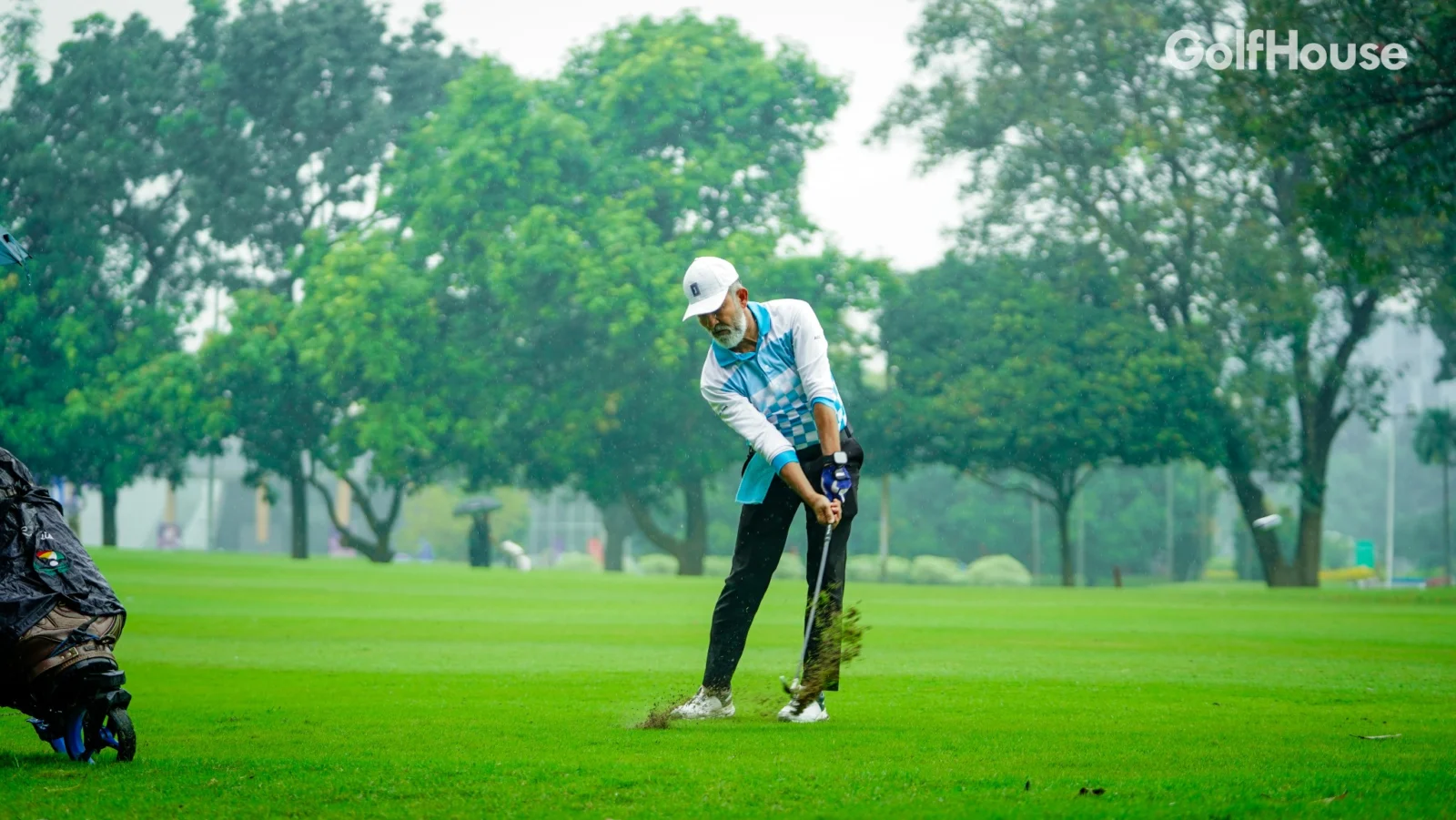
Walking the course can help golfers stay active. For Bangladesh’s clubs, the opportunity is to make the game easier to start and easier to keep playing.
By A M M Nazrul Hosen Ayon
For a golfer teeing off early at Kurmitola or Bhatiary, the day’s exercise begins long before the final putt. There is the walk from tee to green, the climb out of a bunker and, for many, a conversation that carries on from one hole to the next. By the time the scorecard is signed, a morning spent chasing a small white ball may have done more for the player than the score suggests.
Golf is often discussed in Bangladesh through tournaments, trophies and handicaps. Its quieter appeal deserves attention too. A regular round can give people a reason to walk, spend time outdoors and see friends they might otherwise meet only occasionally.
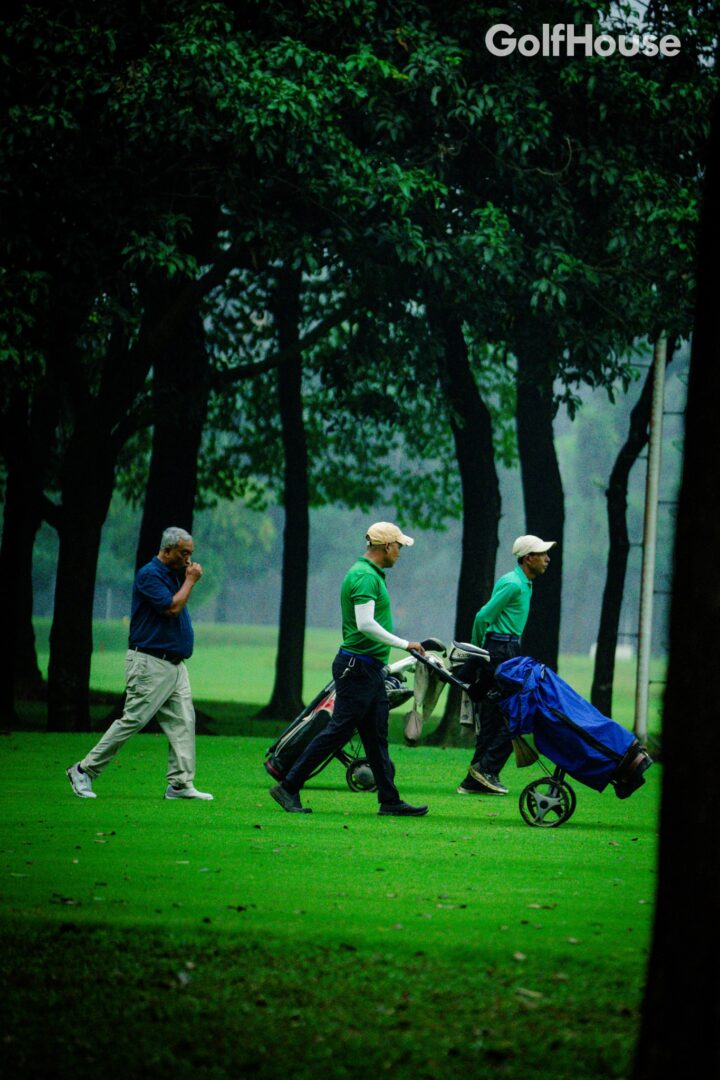
An international consensus statement published in the British Journal of Sports Medicine found that golf can provide moderate-intensity physical activity, particularly when players walk the course. The amount of exercise varies with the terrain, the pace of play and how much of the round a golfer walks. For someone who spends much of the working week at a desk, a walking round offers a practical way to build more movement into the weekend.
The World Health Organization recommends that adults aim for at least 150 minutes of moderate-intensity aerobic activity a week, or an equivalent amount of vigorous activity. A round may last several hours, but some of that time is spent waiting, putting or standing over a shot. The stretches walked at a moderate pace can contribute to the weekly target, alongside activities such as brisk walking on other days.
Nine holes can be a practical choice for golfers short on time or returning after a break. On hot and humid days, book an early tee time, carry water, take shade breaks and wear a hat and sunscreen. A few minutes of easy walking and gentle practice swings can help ease players into the round. When thunder is heard, stop play and follow the club’s lightning procedures. Clubs can make these choices easier by providing drinking water and shade for players, caddies and course staff.
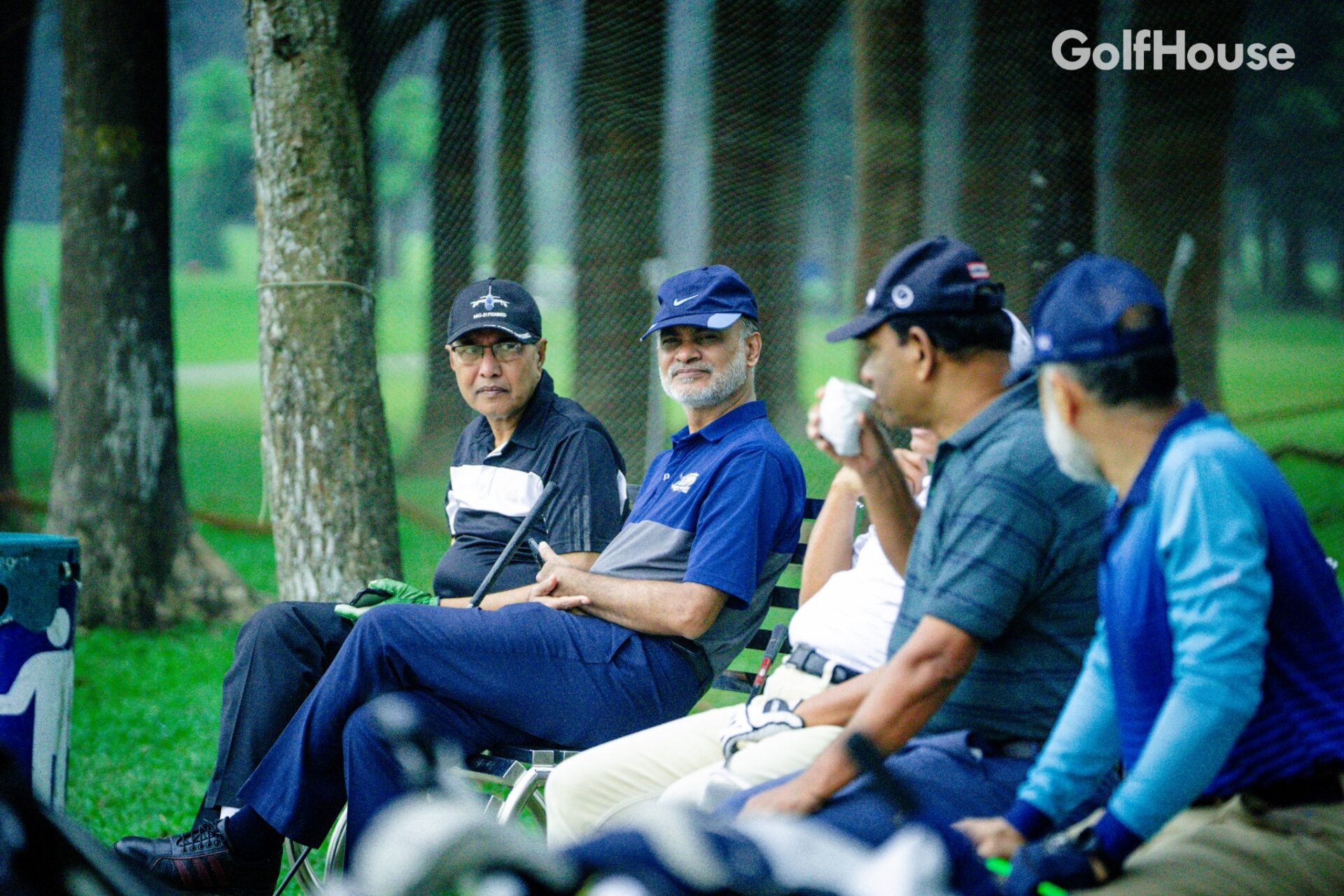
England Golf’s Fore Your Health guide, which informed this feature, makes much of the time golfers spend together. The rhythm of the game leaves room for conversation. A parent and child can play at their own pace. A retired golfer can keep a standing appointment with friends. A newcomer can learn the etiquette of the course from a patient playing partner.
There is also the simple pleasure of having something immediate to concentrate on. Reading a putt or choosing a line from the tee can give a player a break from the demands of the week. Research on golf’s mental-health effects is still developing, but the game offers ordinary, tangible pleasures in the form of time outdoors, companionship and the satisfaction of improving at something.
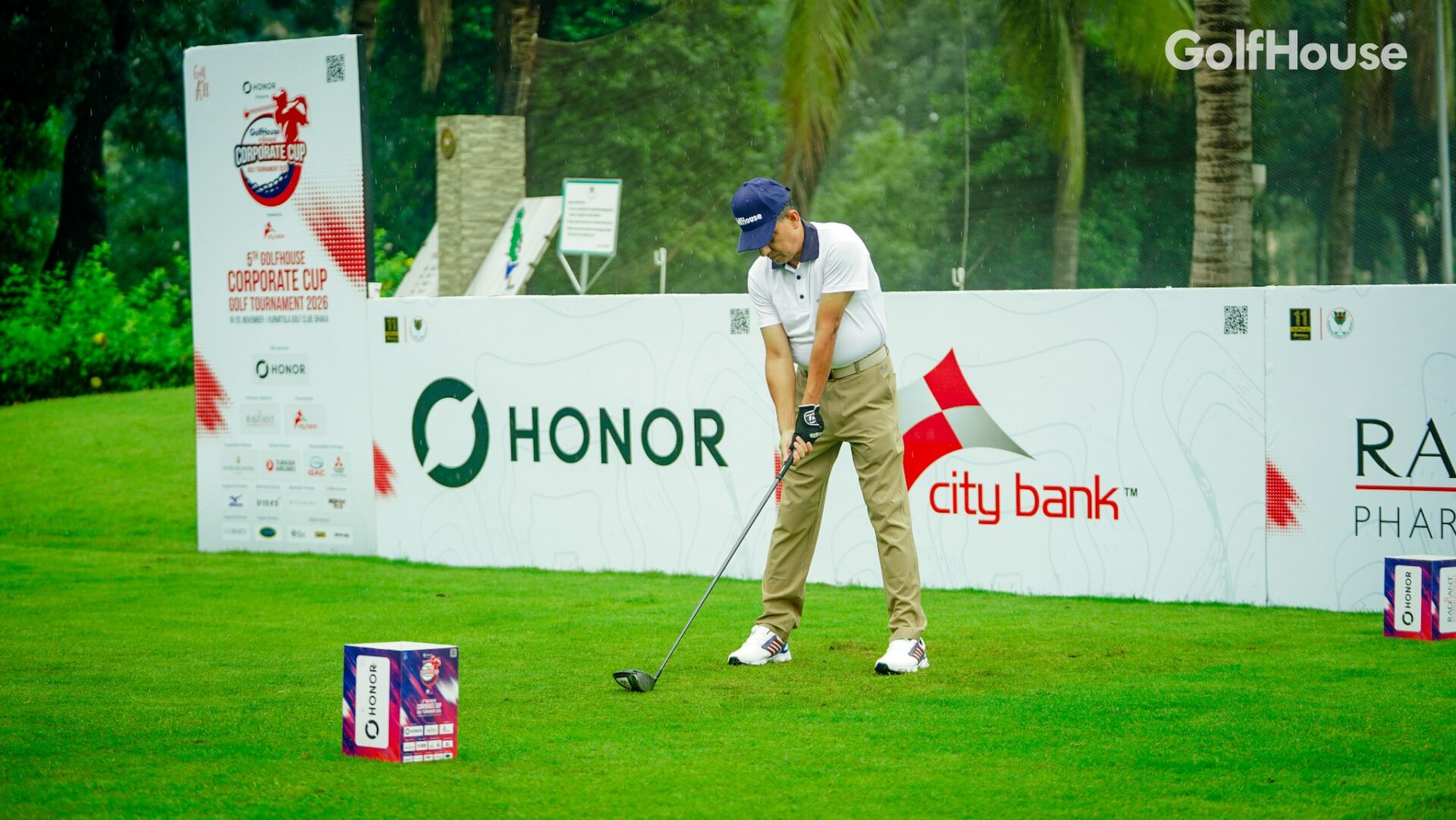
For Bangladesh’s golf clubs, the question is who gets the chance to make playing a habit. A first visit can feel daunting when a newcomer is unsure what to wear, what it will cost or whether there is equipment to borrow. Clubs can make that first visit easier by publishing clear fees and dress rules, offering loan clubs and setting aside time for beginners to try a few holes with a coach.
Putting sessions at schools and community events can give children and families a first taste of the game close to home. At the club, junior sessions and family tee times can give them a reason to come back. For regular players, nine-hole slots can make a round easier to fit around work and family commitments.
A golfer will always remember the occasional birdie. For many players, though, the round worth looking forward to is the one they can fit into next week, with people they are glad to see again.
-The author is the editor and publisher of TheGolfHouse magazine.