By Nazrul Hosen Ayon
An evening of golf, dinner overlooking the range, a child’s first lesson: Army Golf Club could offer Dhaka a fresh leisure experience, with private investment and professional management improving facilities for members and newcomers alike.
In Dhaka, an evening out often begins with a negotiation over traffic. Somewhere to take the children, meet friends or entertain a visiting colleague must offer enough to justify the journey. Along Airport Road, a familiar sporting venue deserves a place in that conversation.
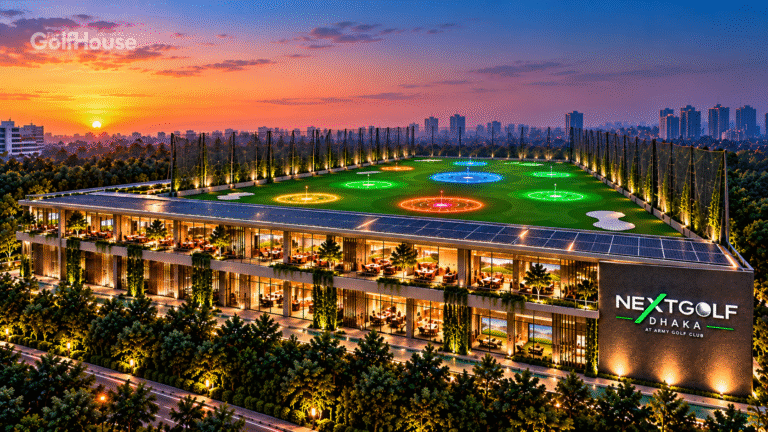
Army Golf Club’s driving range already gives golfers a reason to visit. But imagine an evening when a member practises in a reserved bay upstairs, a family shares dinner overlooking the outfield, and a beginner discovers the satisfaction of striking a ball cleanly for the first time.
With the airport nearby and Radisson Blu Dhaka Water Garden across the corridor, the setting invites a question: could this established practice ground become a place where more of Dhaka comes to enjoy and discover golf?
The club authority and the President of Bangladesh Golf Federation have reason to examine that possibility. A carefully planned development could improve members’ facilities, create another route into the sport and generate income to support the property’s upkeep. Whether those ambitions are commercially achievable deserves a serious study.
“An appropriate partnership could bring capital and expertise while preserving institutional oversight.”
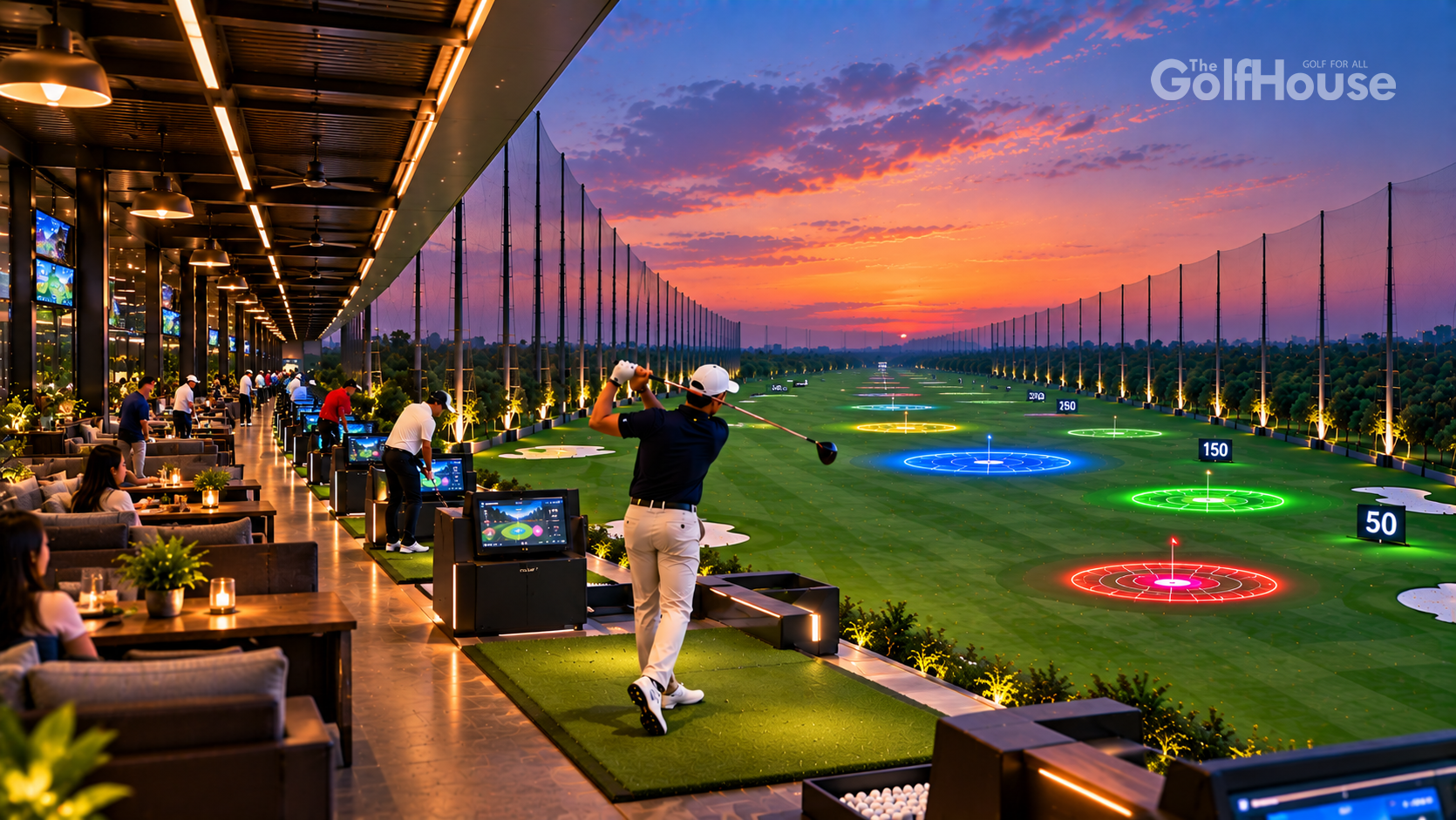
Internationally, the driving range has evolved. Ball tracking technology, interactive targets and simple competitions allow beginners to enjoy hitting shots without understanding handicaps or owning equipment. Experienced golfers use the same technology to assess their performance. Food and hospitality make the visit an occasion people can share.
Topgolf is the best known example. Its useful lesson for Dhaka is that a person need not already be a golfer to enjoy a golf facility. A local development would have to reflect Bangladesh’s climate, spending habits and expectations, with pricing and activities suited to the audience it hopes to attract.
For someone unfamiliar with club life, golf can seem difficult to approach. Where does one begin? Is membership necessary? Must equipment be purchased first? A welcoming range could answer those questions through the experience itself: borrow a club, receive some guidance and try a few shots.
A first visit may lead to another. A child asks for lessons; friends return for a competition. These modest beginnings matter to a sport seeking wider participation. The Federation could build on them through junior programmes, school engagement, women’s golf and coaching development.
“The development could also help promote golf tourism, offering visiting golfers a convenient place to practise, take lessons and arrange visits to other courses.”
Members would need a clear stake in any redevelopment. Their practice time, privacy and access should be protected from the outset. Opening part of the range to visitors would be worthwhile only if the arrangement also delivers a better experience for the people who already use it.
A dedicated first floor practice area for existing and future members is one option worth examining. Separate, controlled access, reserved bays and a lounge could preserve a quieter environment. Public activities could operate through another circulation route, with bookings and staffing managed accordingly.
The details would require architectural and operational testing. Accessibility, capacity, ball trajectories and security cannot be resolved through an attractive rendering. Nevertheless, the principle is clear: members’ needs should help determine the design.
The range must remain the development’s centre. Reliable hitting surfaces, proper teaching spaces, suitable lighting and well maintained equipment should take priority. A café or restaurant overlooking the outfield could complement the sporting experience. Indoor simulators would offer an alternative during heavy rain, while club fitting and equipment retail could serve existing golfers.
Other facilities would need stronger justification. Fitness spaces, meeting rooms or limited accommodation for visiting golfers might merit assessment, including around the poolside area. On a constrained site, however, each addition competes for space, capital and management attention. A focused project would be easier to operate well.
Radisson and nearby hotels could become partners through guest activities, coaching packages or corporate programmes. Such relationships would need commercial discussion, but they suggest a practical way to benefit from the location without duplicating established hospitality services.
Convenience could be an advantage. A golfer may accept a lengthy journey for an eighteen hole round on the trackman. Someone choosing an activity after work will make a different calculation. Residents, office people and hotel guests could therefore provide an important regular audience.
Airport proximity adds possibilities for visiting golfers and business travellers. It does not guarantee customers. Traffic, flight schedules, transport and entry arrangements would influence actual use. The business case should be built around likely repeat visitors, with tourism treated as an additional opportunity.
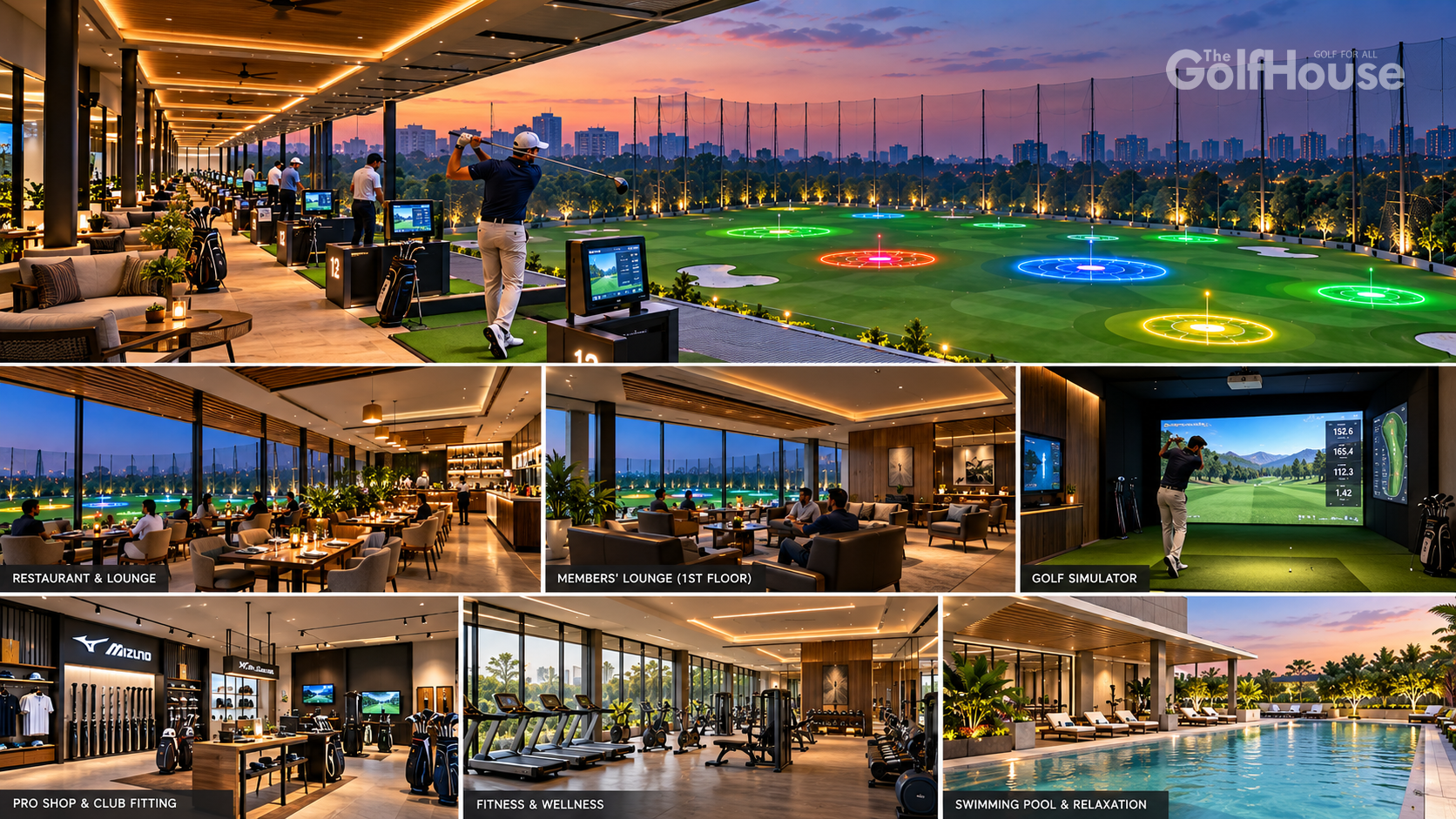
Private investment could help realise the concept, subject to applicable rules and approvals. The club would not necessarily have to finance every improvement or operate every service. An appropriate partnership could bring capital and expertise while preserving institutional oversight.
The agreement would matter as much as the building. Construction responsibilities, revenue sharing, maintenance obligations and members’ access must be explicit. Performance standards and remedies for failure would also need to be established. An impressive opening provides little reassurance if equipment deteriorates and service declines.
Radisson across the corridor offers a useful reference for operating discipline. Reservations, food quality, maintenance and staff training depend on systems that work every day. A golf and leisure facility would need comparable consistency, whether run by a Bangladeshi operator or an international partner.
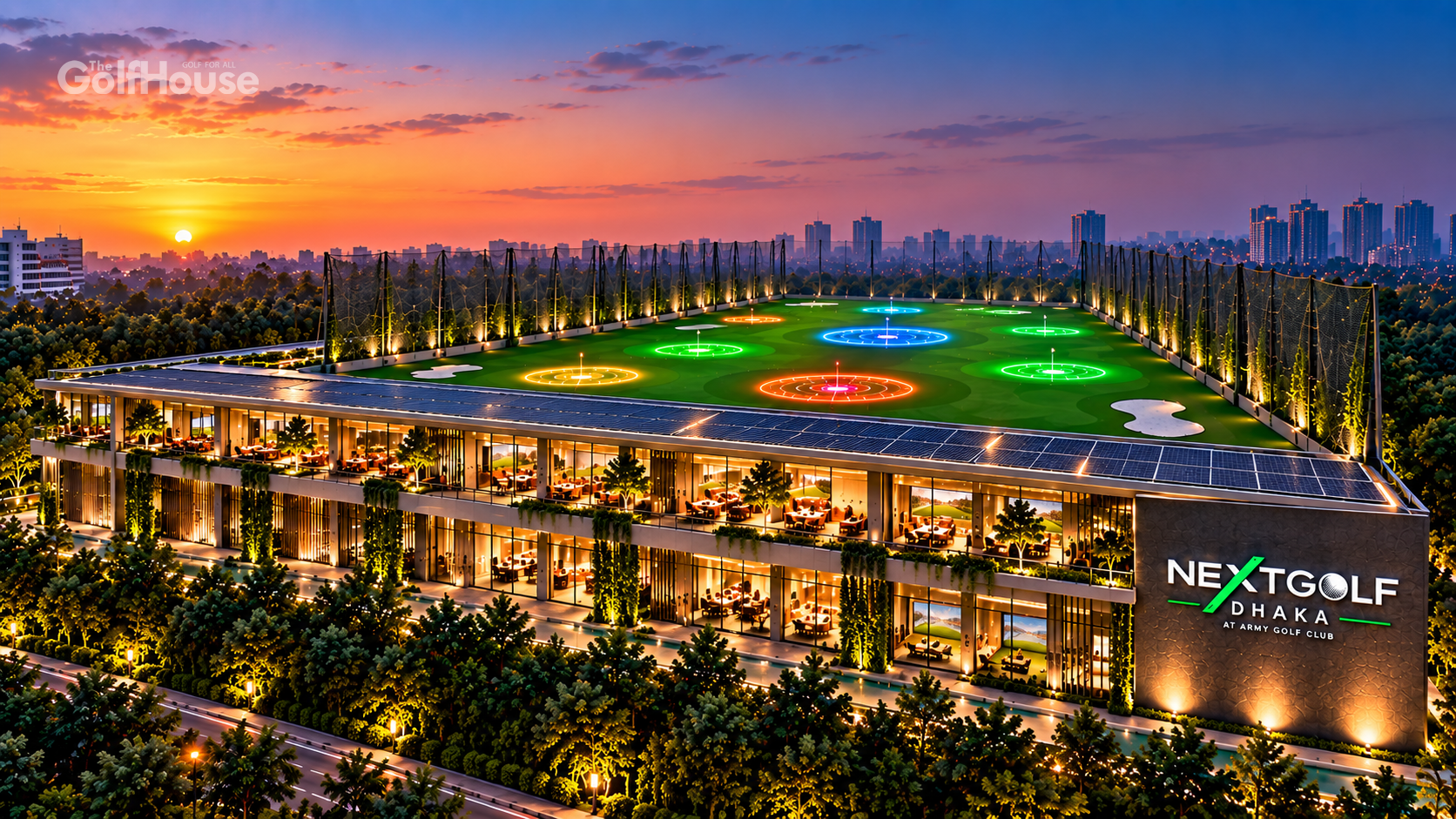
Before seeking investors, the authority should establish what the site can accommodate. Aviation requirements, building and net heights, lighting, security, parking, drainage and existing trees all need assessment. Where technically appropriate, using existing access or incorporating some internal vehicle movement beneath the building could help conserve space.
Army Golf Club already has a sporting identity and a location that warrants attention. The task is to determine how those strengths can serve members better and bring others into the game. For a child leaving after that first cleanly struck shot, the answer may be simple: a place worth coming back to.
-The author is the editor and publisher of TheGolfHouse magazine