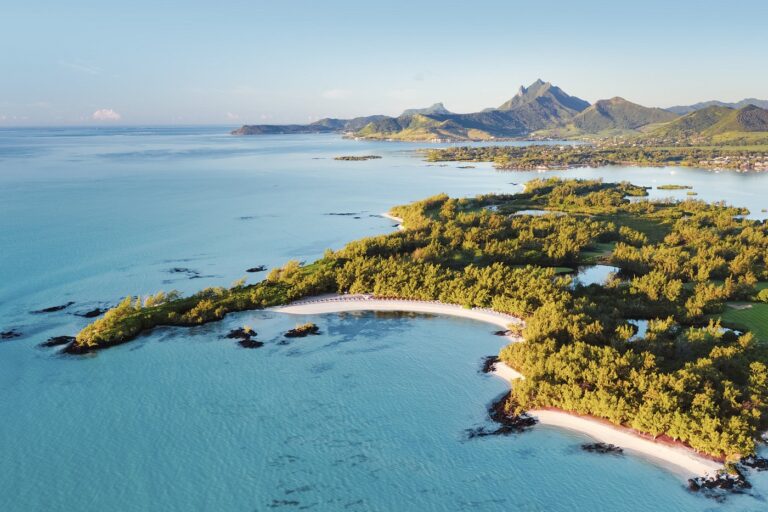
Set among the rolling hills of Japan’s Aichi Prefecture, Kasugai Country Club combines generous fairways, demanding greens and thoughtful architecture to offer a golfing experience where strategy matters as much as distance.
A good golf course does not need to intimidate players from the first tee. Sometimes, its greatest strength lies in making golfers feel comfortable enough to attack, only to remind them a few shots later that confidence and good judgement are two different things.
Kasugai Country Club, in Japan’s Aichi Prefecture, appears to understand that balance particularly well.
Established in 1964, the club has 36 holes spread across two distinct courses, East and West. With tree-lined fairways, gentle changes in elevation and carefully positioned bunkers, it offers the sort of traditional Japanese golf setting where the beauty of the surroundings is matched by the demands of the game.
The club’s appeal begins with its landscape. Unlike courses built around dramatic cliffs or extreme elevation changes, Kasugai makes use of rolling terrain, established trees and natural contours. Its relatively generous fairways provide breathing space from the tee, but that freedom does not necessarily translate into easy scoring.
For golfers accustomed to narrow landing areas, the opportunity to swing freely with a driver is certainly welcome. Yet the real examination often begins with the second shot, when the position of the ball, the angle of approach and the surrounding bunkers become more important than the distance achieved from the tee.
One of Kasugai’s strongest attractions is the contrast between its two layouts.
East Course: Room to play, precision to score
The East Course, renovated by golf course architect David Dale, stretches to 7,050 yards from the black tees. It combines relatively open playing corridors with a more demanding examination around the greens. Subtle undulations and strategically placed hazards require golfers to think carefully about where they want their approach shots to finish.
The layout encourages attacking golf, but not without consequences. A powerful drive may leave a short iron into the green, although an approach played to the wrong section can still turn a birdie opportunity into a difficult two-putt for par.
West Course: Inoue’s use of the terrain
The West Course, designed by renowned Japanese architect Seiichi Inoue, presents a different character. At 6,886 or 6,926 yards from the back tees, depending on the greens in use, it makes greater use of the natural slopes and elevation changes.
Its sixth hole is particularly interesting, featuring a downhill tee shot over water. It is the kind of hole that asks golfers to make a decision before reaching for a club. The temptation to attack must be weighed against the consequences of a poorly struck shot.
Across both courses, the design rewards players who understand that good golf is not always about taking the most aggressive option.
Greens and bunkers shape the challenge
The greens deserve particular attention. Kasugai’s bentgrass putting surfaces, combined with the surrounding contours, place considerable importance on distance control, accurate approach play and the ability to read subtle breaks.
A golfer who consistently finds the fairway may still struggle to produce a good score without a reliable short game.
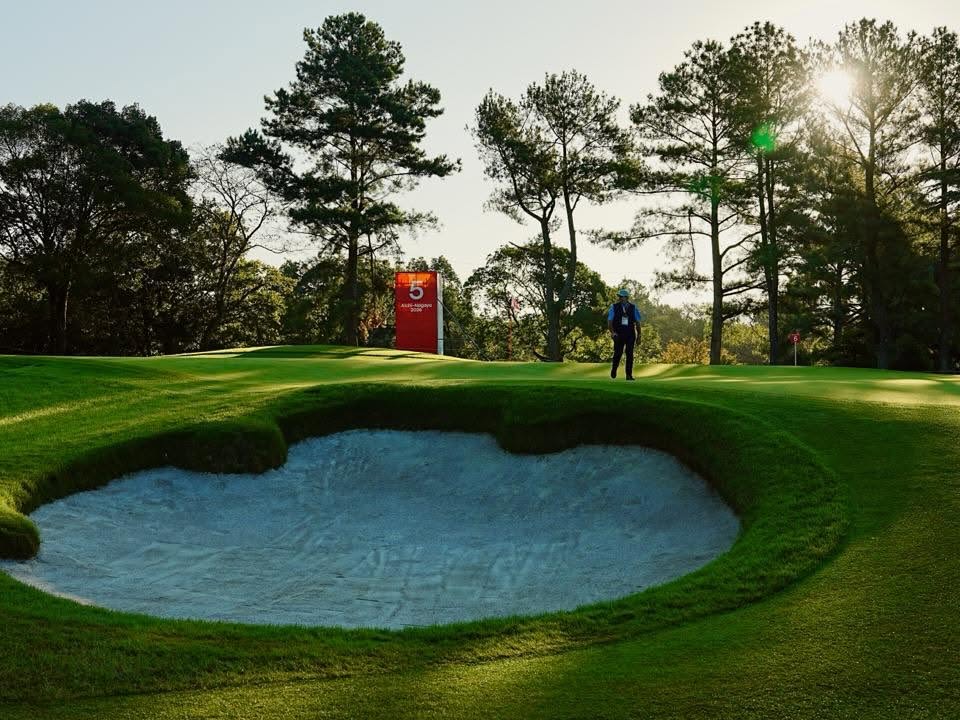
Bunkers add another dimension. Rather than relying entirely on narrow fairways or intimidating hazards, the course uses sand traps to influence shot selection and approach angles.
That makes Kasugai an interesting proposition for players of different abilities. Higher-handicap golfers can appreciate the relatively generous landing areas, while accomplished amateurs and professionals face a more demanding challenge when trying to attack flags and convert scoring opportunities.
There is also something appealing about a course that allows different strategies to succeed. A cautious player may choose a safer route to the green, while a more adventurous golfer might attempt a demanding carry in search of a better approach.
Kasugai’s landscape is an important part of its character. Mature trees, rolling fairways and water features create a setting that changes with the seasons.
Spring and autumn are particularly attractive periods for golf in Aichi, offering more comfortable playing conditions than the humid summer months.
Practice facilities and visitor planning
The club also provides a covered, two-storey practice range with 48 hitting bays and a stated distance of 230 yards. For serious golfers, having adequate space to warm up before a round is a practical advantage.
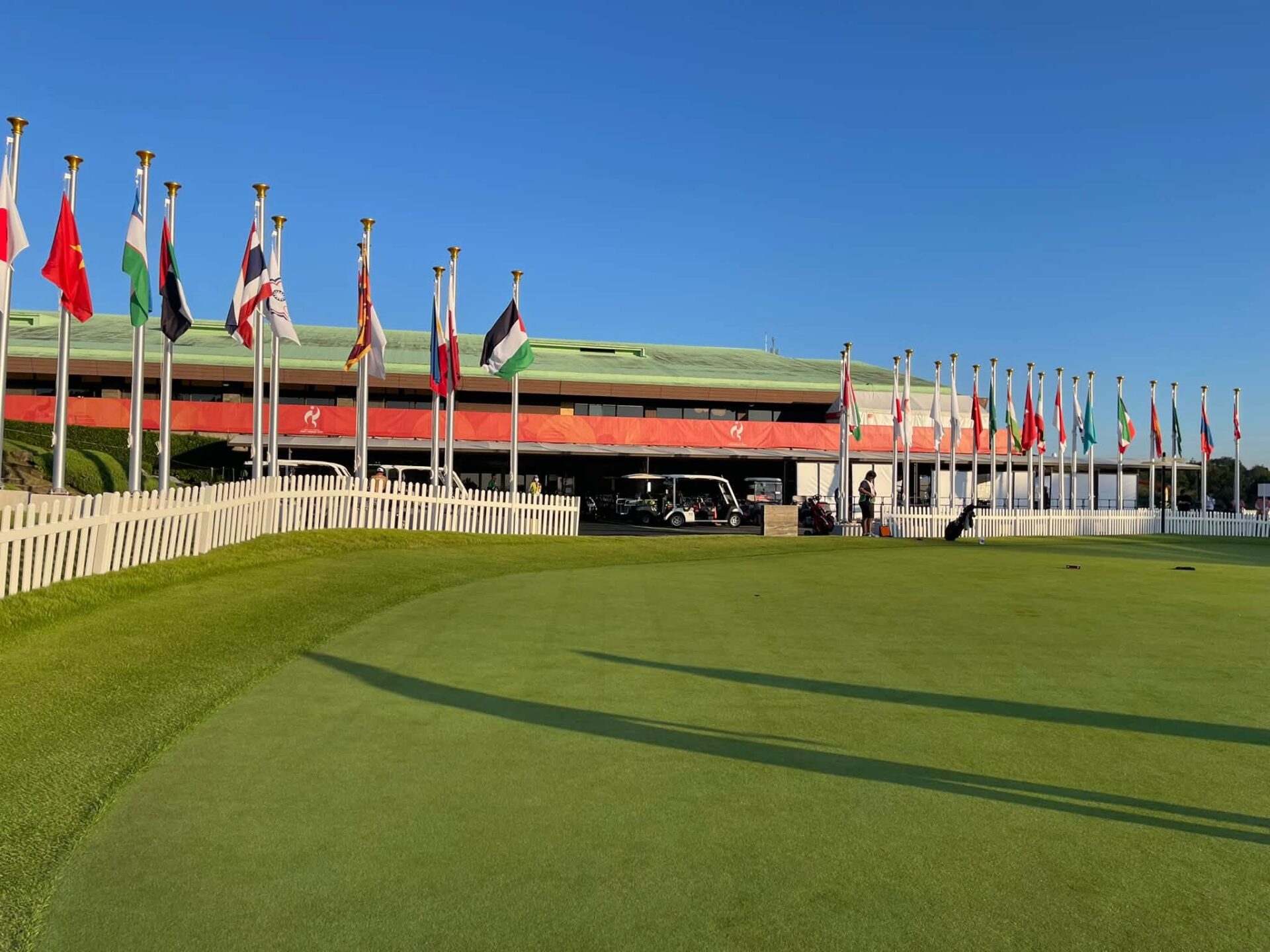
Beyond the course, Kasugai reflects the traditions associated with Japanese golf clubs, where etiquette, presentation and respect for the game remain important. Visitors should familiarise themselves with the club’s dress code and playing arrangements before arriving.
What makes Kasugai Country Club appealing is not simply its 36 holes or its architectural heritage. It is the balance between accessibility and difficulty.
The fairways offer room to play, but the greens demand precision. The landscape provides beauty without distracting from the strategic challenge. And the two courses give golfers an opportunity to experience different styles of design within the same club.
There is, however, an important distinction between evaluating a course’s architecture and assessing its everyday playing condition. Green speeds, bunker consistency, turf quality and pace of play require an on-site assessment before any definitive judgement can be made.
On the evidence of its layout and facilities, Kasugai stands out as a compelling destination for golfers visiting central Japan.

Plan your visit: Check the club’s official course guide, facilities and current visitor arrangements before booking.