By Nazrul Hosen Ayon
Jolshiri Abashon is no longer a distant housing dream on Dhaka’s eastern fringe. It is fast emerging as one of the most structured residential and business corridors in the country. Roads are taking shape, houses are being completed, and neighbourhoods are filling with families, professionals and entrepreneurs who see Jolshiri not merely as a place to live, but as a long-term lifestyle investment.
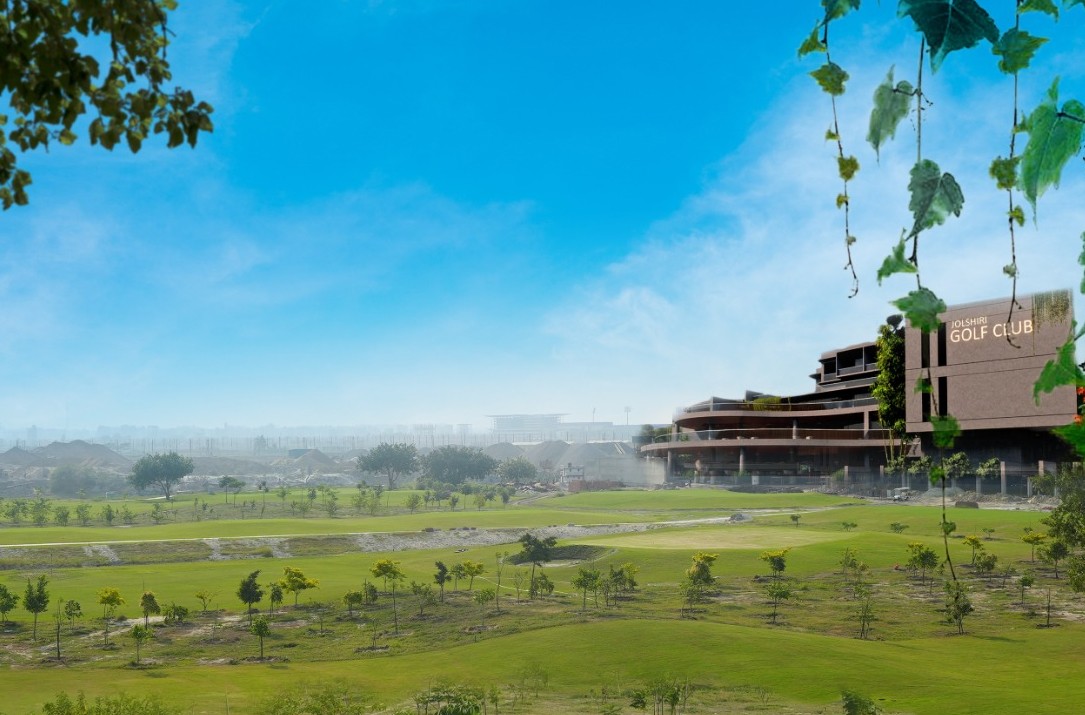
At the heart of this growing city stands Jolshiri Golf Club, a modern 9-hole facility that has already become a magnet for golfers from Bashundhara, United City, Ananta Terrace and the wider Purbachal belt. Yet, as Jolshiri evolves into a genuine urban hub, a critical question is becoming unavoidable: can a 9-hole course sustain the future demand of a full-scale city? The answer is increasingly clear, it cannot.
“North of the current course lies a strategic land pocket suitable for extending to 18 holes.”
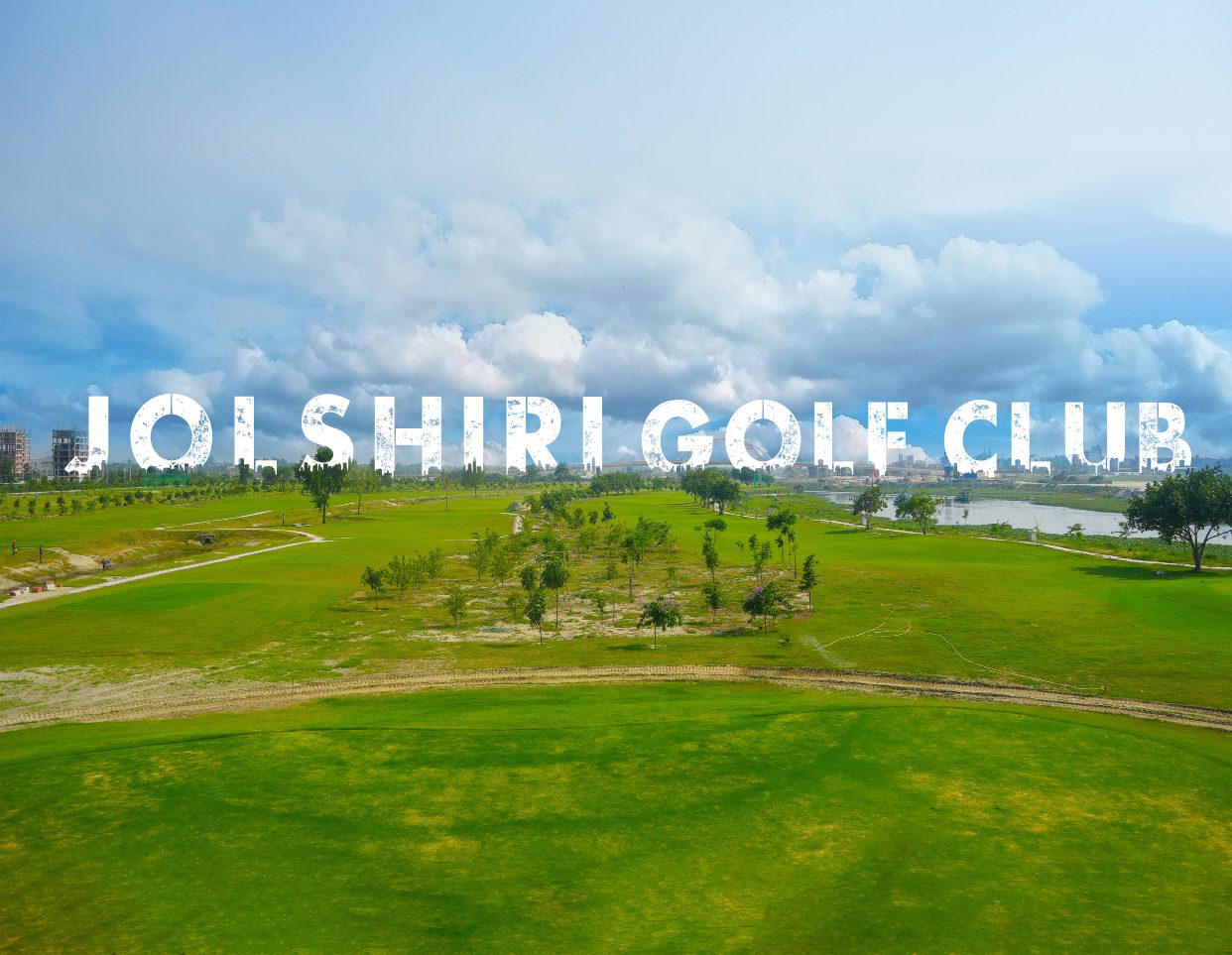
The rising popularity of Jolshiri Golf Club is a positive signal. Tee sheets are full, golfers are travelling from neighbouring developments, and the club is steadily embedding itself into the identity of the area. But popularity without capacity quickly turns into pressure.
Once all sectors of Jolshiri Abashon are fully occupied, the existing course will face chronic congestion, limited tee-time availability, overcrowded fairways and a declining playing experience. This is not a distant projection. It is already visible during peak hours.
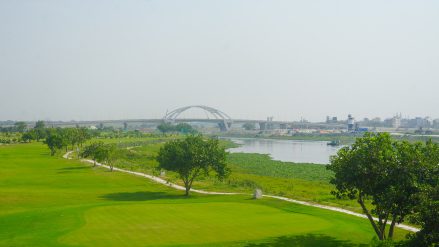
A 9-hole course may function well as a neighbourhood amenity, but it cannot serve as the primary golf destination for a large residential and commercial district.
North of the existing course lies a stretch of land long discussed as a potential recreational zone, including the idea of an amusement park. From an urban-planning standpoint, this land is uniquely positioned for a course extension.
“An 18-hole course would enable national and international tournaments.”
Once the surrounding sectors are fully developed, however, land assembly will become almost impossible, financially, legally and politically. What can be achieved today through foresight and coordination will be permanently out of reach tomorrow. Cities that delay planning always pay a higher price.
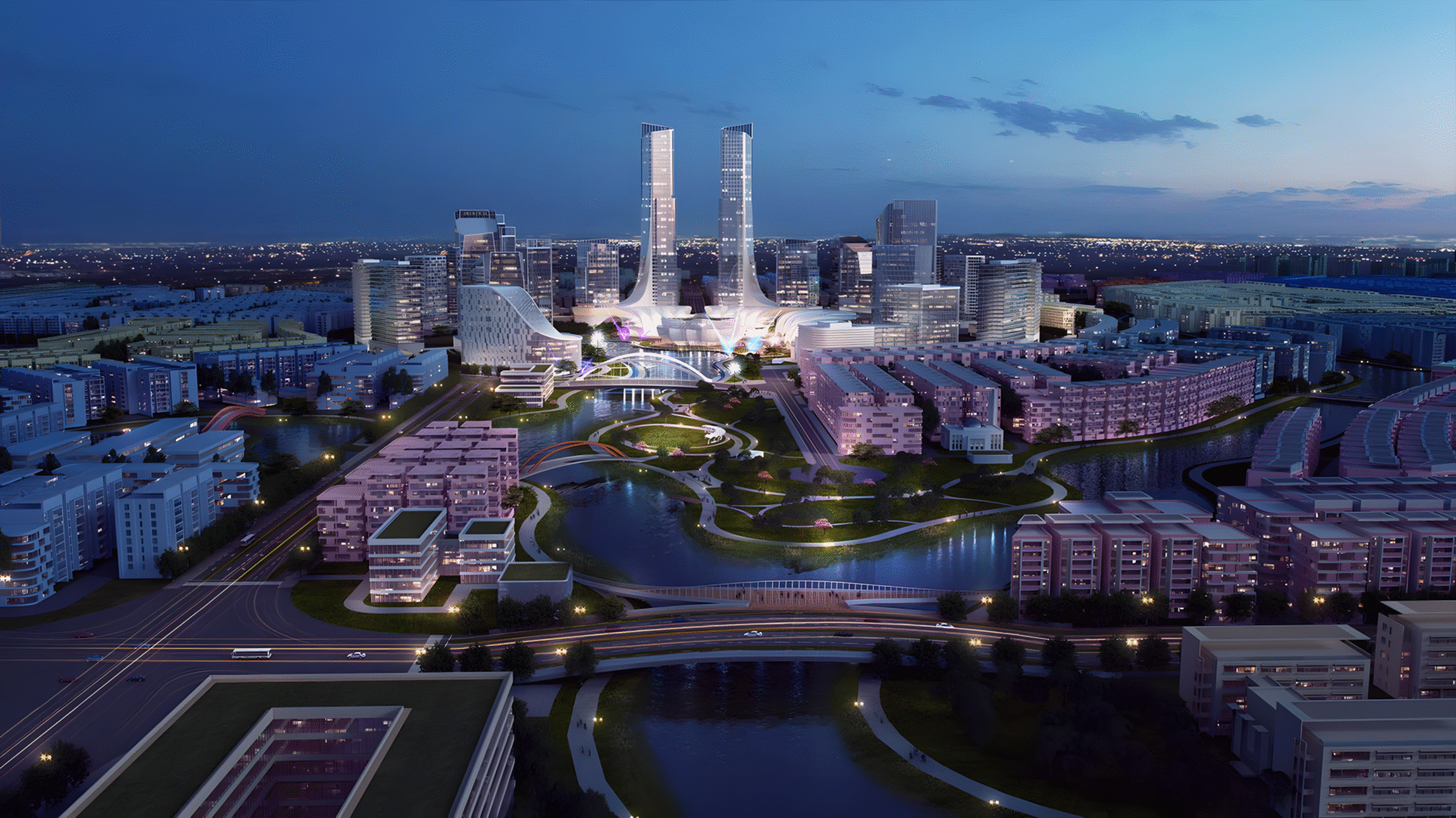
An 18-hole course is not simply an extension of the existing layout. It would reposition Jolshiri Golf Club as a strategic urban asset, capable of hosting national and international tournaments, facilitating corporate Pro-Ams and executive networking events, enabling premium membership models, and seamlessly integrating with hospitality, retail and tourism ecosystems.
“The land is still there, The demand is already here”.

Globally, golf infrastructure has proven its ability to increase land values, elevate brand positioning of real estate developments and attract long-term investors.
But beyond commerce, an 18-hole course would also serve as a green buffer for Jolshiri Abashon, preserving open space, improving micro-climate, enhancing groundwater recharge and safeguarding biodiversity in an area otherwise at risk of being fully consumed by concrete. In a city choking on density, protecting large green zones is not optional. It is urban survival.
“The course would act as a permanent green buffer, protecting open space from unchecked urbanisation.”

Jolshiri does not exist in isolation. It sits between Bashundhara, Purbachal New Town and a cluster of premium residential developments reshaping Dhaka’s eastern boundary. The demographic profile is changing fast, professionals, corporate leaders, entrepreneurs and expatriates are already choosing this corridor.
These communities expect infrastructure that aligns with global standards. In this context, golf is not a luxury; it is part of the urban DNA of modern business districts.
“Timely action by the authorities is essential to secure Jolshiri’s long-term legacy.”
The question before the authorities is not whether Jolshiri should remain a pleasant place to play nine holes. It is whether Jolshiri will be remembered as a city that anticipated its future or one that missed a generational opportunity.
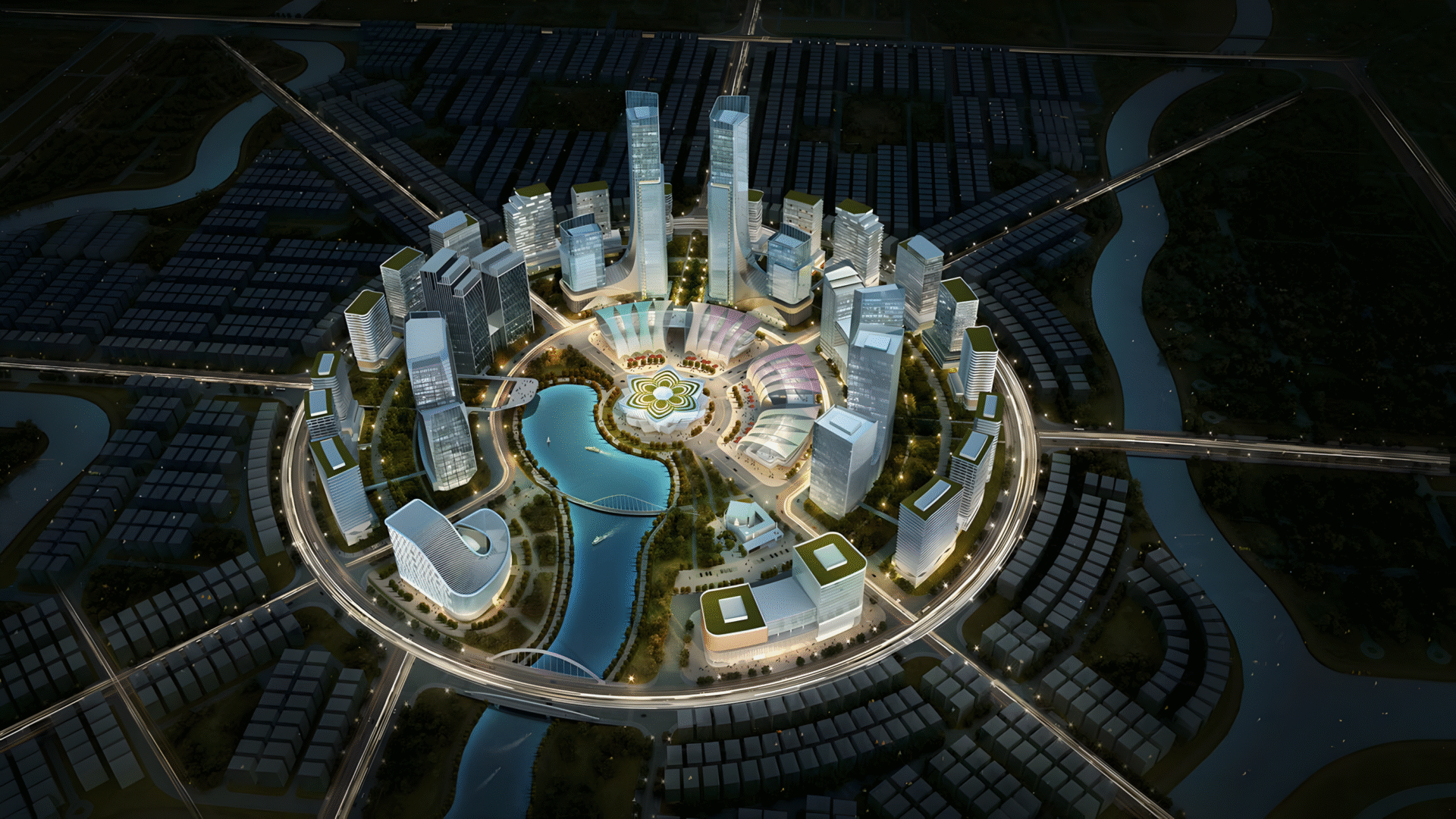
An 18-hole Jolshiri Golf Club would be more than an expansion. It would be a declaration that Jolshiri Abashon is serious about becoming a complete, future-ready city, one that values business growth, lifestyle quality and environmental protection in equal measure. The land is still there. The demand is already here.
What remains is the will to act, before the fairways are replaced forever by concrete.

An 18-hole course is not merely about adding nine more holes. It transforms Jolshiri Golf Club into a strategic urban asset that enables:
- Hosting of national and international tournaments
- Corporate Pro-Ams and executive networking events
- Premium membership structures
- Integration with hospitality, retail and tourism ecosystems
**The writer is a golfer and Editor of TheGolfHouse magazine–the only monthly golf magazine in Bangladesh that has been involved in promoting golf in the country and working to make it accessible to all since 2015.