By Nazrul Hosen Ayon
Bangladesh stands at a critical juncture in its education reform journey, as the national curriculum—particularly Krira Shikkha (physical education)—undergoes revision. This moment presents a strategic opportunity to modernise sports education in a way that aligns with global standards and long-term national development goals. Physical education today is not limited to physical fitness alone; it is designed to develop motor skills, health awareness, social interaction and, increasingly, holistic human capabilities. Within this evolving framework, golf emerges as a strong and timely candidate for inclusion in the national curriculum.
“Students in Bangladesh learn football without stadiums and cricket without grounds—golf can follow the same path.”
Modern physical education frameworks emphasise four key dimensions of student development: mental, emotional, social and physical. Golf is one of the few sports that naturally integrates all four dimensions into a single discipline. Mentally, it demands concentration, strategic thinking and decision-making. Every shot requires focus, planning and self-assessment, helping students build attention control and cognitive discipline. Emotionally, golf teaches patience, composure and resilience. Players must manage frustration, recover from errors and maintain self-control without external enforcement. This self-regulated environment builds emotional intelligence and maturity among young learners.
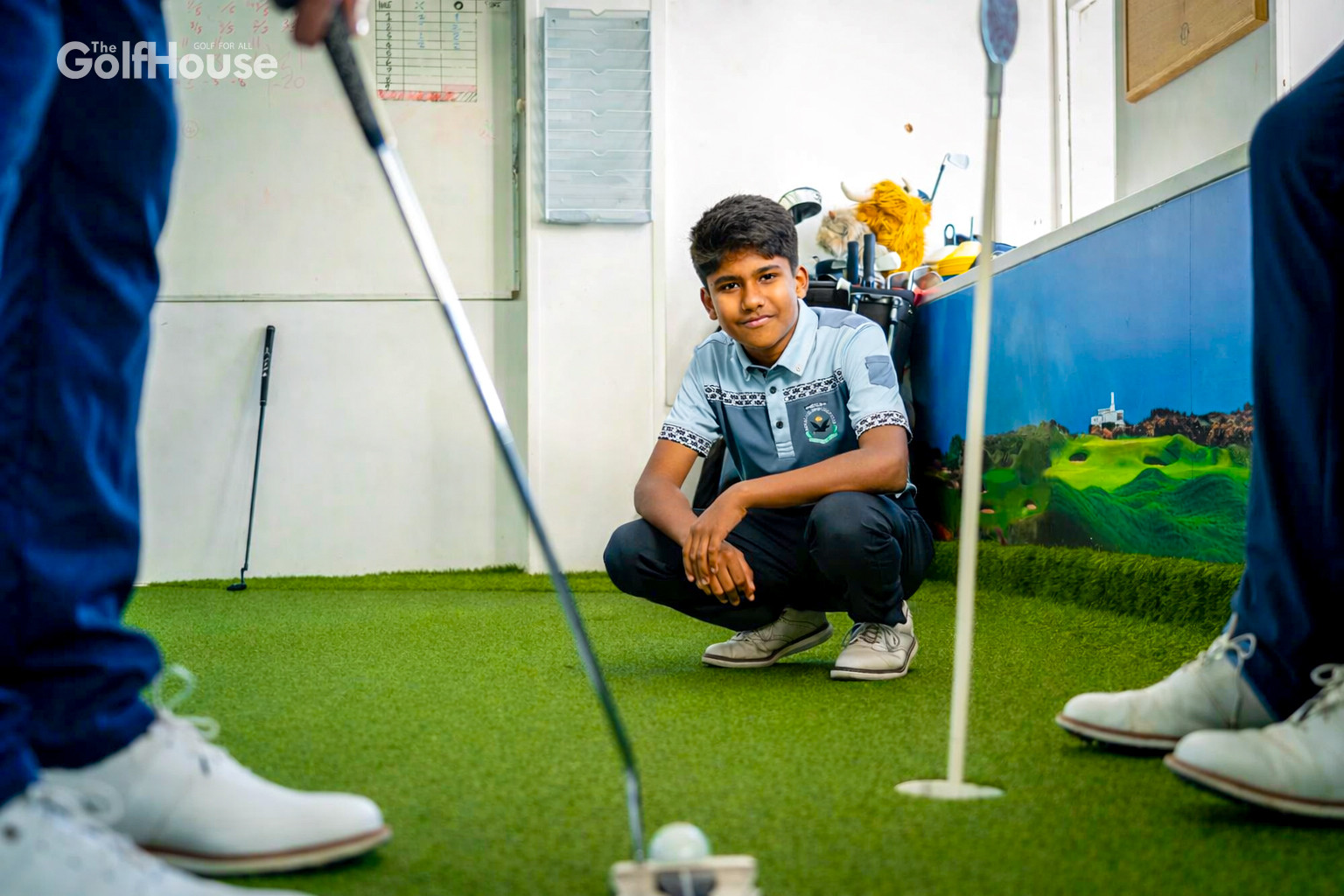
Socially, golf promotes etiquette, respect and interaction. It is played in groups, often across different backgrounds and age groups, encouraging communication, fairness and discipline. These are essential social skills that extend far beyond the sporting field. Physically, golf develops coordination, balance and controlled movement. It is a low-impact sport, making it suitable for a wider range of students, including those who may not be inclined towards high-contact games. At the same time, it supports lifelong physical activity, which is a core objective of modern physical education.
“If physical education is about building the whole individual, golf already delivers on all fronts—mental, emotional, social and physical.”
Globally, golf is widely recognised as a structured educational sport and is already integrated into school systems in several countries. In the United States, golf is part of school and college sports programmes, supported by initiatives such as The First Tee, which introduces young students to the game alongside life skills education. In the United Kingdom, golf development programmes are incorporated into school sports partnerships, encouraging early exposure through simplified formats. In Japan, golf is included in school-level sports training and youth development pathways, reflecting its strong cultural and institutional presence. South Korea has also integrated golf into school and youth programmes, contributing to its emergence as a global powerhouse in the sport. In Australia, golf is introduced through school sports frameworks and junior development initiatives, often supported by national federations. These examples demonstrate that golf is not an elite or inaccessible sport, but a structured and adaptable component of modern education systems.
In Bangladesh, the absence of golf from the national curriculum is increasingly difficult to justify, particularly when the country is actively working towards a more holistic and globally aligned education model. A recent policy study on curriculum reform in Bangladesh highlights the importance of integrating sports into education to promote teamwork, discipline and overall human capital development. Golf aligns directly with this vision, offering both developmental and strategic advantages.
“We do not need full golf courses to teach golf; we need vision within our classrooms.”
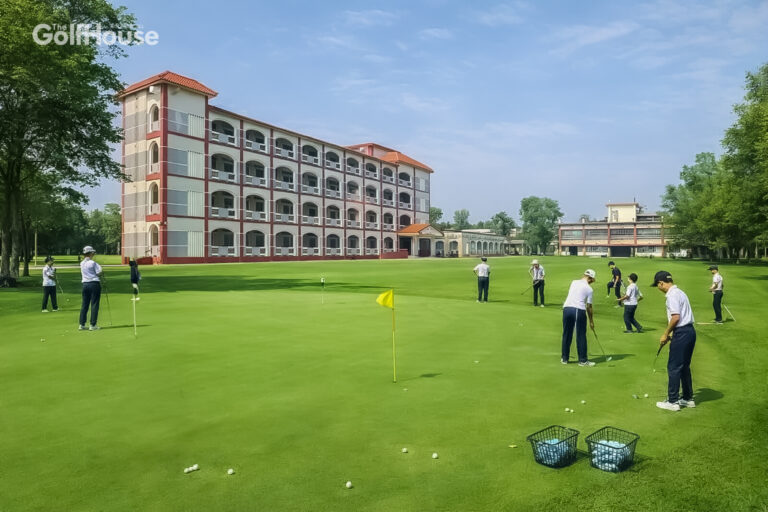
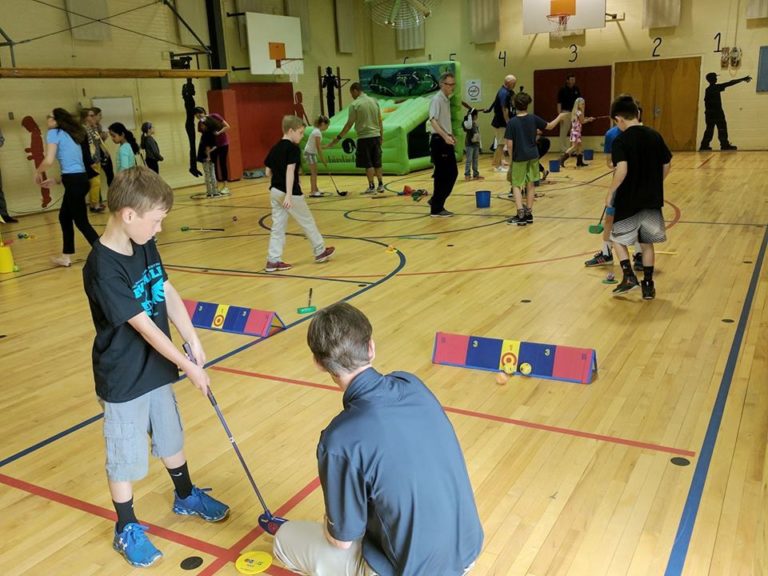
A common concern regarding golf is infrastructure. However, this concern does not hold under practical evaluation. Students in Bangladesh do not learn football in full stadiums or cricket in international grounds. They learn the fundamentals and play in school open spaces or community fields. Golf can be introduced in exactly the same way. Basic putting and chipping drills can be conducted within existing school environments using minimal space and simplified equipment. The focus at school level is not on full-course play, but on understanding the game, developing skills and building interest.
Institutional support for such an initiative already exists. The Bangladesh Golf Federation has the expertise and structural capacity to guide curriculum integration. The Bangladesh Army, which has long played a central role in developing golf in the country, possesses both infrastructure and technical knowledge that can be shared. Private sector initiatives, including organisations such as bti, can contribute by providing basic equipment and supporting school-level programmes. This creates a strong foundation for a collaborative implementation model.
“If we want globally competitive youth, we must introduce globally relevant sports.”
In this context, the Bangladesh Golf Federation is well-positioned to initiate formal engagement with the Government of Bangladesh, particularly the Ministry of Education and the National Curriculum and Textbook Board (NCTB), to advocate for the inclusion of golf in Krira Shikkha. A phased approach can be adopted, beginning with pilot programmes in selected schools, followed by gradual expansion based on evaluation and feedback. Curriculum inclusion can start with basic modules covering introduction to golf, simple techniques and etiquette, supported by teacher orientation programmes and locally developed learning materials.
The objective is not to replace traditional sports such as football or cricket, but to diversify the curriculum. A modern education system must provide students with exposure to multiple disciplines, allowing them to discover different talents and interests. Golf adds a unique dimension by combining discipline, integrity and global relevance in a single sport.
“Golf is not just a sport; it is a classroom of discipline, integrity and focus.”
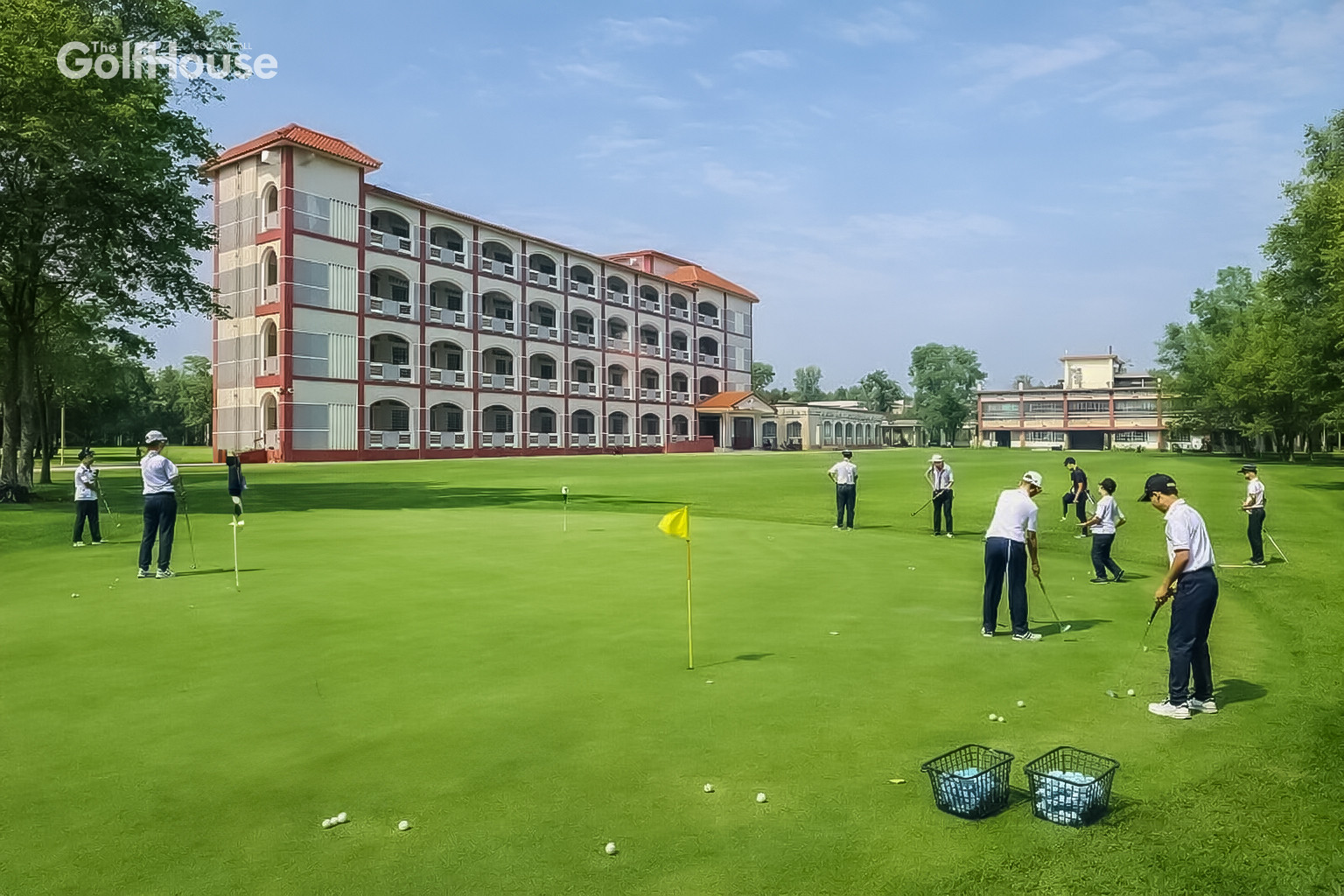
There is also a broader national perspective. Bangladesh has already developed a growing golf ecosystem, with established courses and institutional support. However, sustainable growth requires grassroots development. Introducing golf in schools ensures wider access, builds early interest and creates a future pipeline of players. Over time, this can enable Bangladeshi golfers to compete internationally, build global networks and contribute economically through participation in the global sports ecosystem.
Education reform is ultimately about preparing the next generation for a complex and competitive world. Skills such as discipline, focus, integrity and global awareness are no longer optional. They are essential. Golf delivers these outcomes in a structured and sustainable manner.
The policy window is open. The institutional framework exists. The global precedent is clear. It is time for Bangladesh to take a forward-looking step and bring golf into the classroom.
The writer is a golfer and the Editor of TheGolfHouse magazine — Bangladesh’s only monthly golf magazine, established in 2015. He has been actively involved in promoting the sport and continues to work passionately towards making golf more accessible and inclusive for people across the country.